Pet & Animals
German Shepherd Puppies Guide: Temperament, Price, and Daily Care Tips

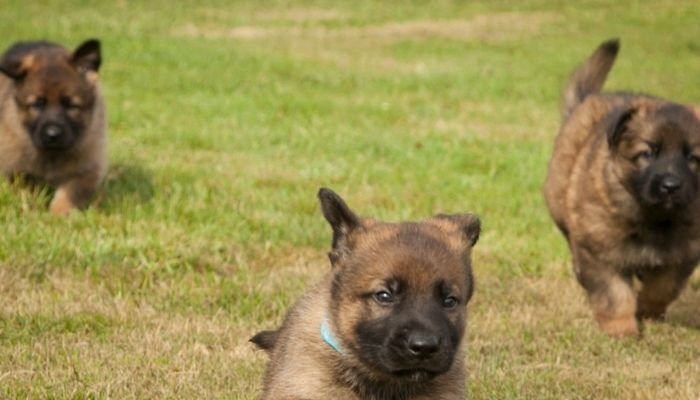
German Shepherd Puppies are known for their intelligence, loyalty, and strong working ability. They are one of the most popular dog breeds in the world because they learn fast and form deep bonds with their owners. These puppies are active and need proper training, socialization, and care from an early age. With the right guidance, they grow into confident and reliable dogs. However, they also need time, effort, and a responsible owner who understands their energy, health needs, and daily routine.
The Story of German Shepherd Puppies and How the Breed Began
The story of German Shepherds begins in Germany in the late 1800s. At that time, people wanted a perfect working dog. Shepherds needed dogs that could guide sheep, protect them, and follow commands quickly. Different areas had different types of dogs, but there was no single standard breed.
A man named Max von Stephanitz changed everything. He believed that dogs should be bred for work, not just looks. In 1899, he found a dog named Hektor Linksrhein at a dog show. He was impressed by the dog’s strength, intelligence, and loyalty. He bought the dog, renamed him Horand von Grafrath, and made him the first official German Shepherd.
Max von Stephanitz also created a club called the Verein für Deutsche Schäferhunde. This group helped set rules for breeding and training. Horand became the base of the entire breed. Almost every German Shepherd today can be linked back to him. Early breeding also included dogs like Hektor von Schwaben, Beowulf, and Pilot to fix strong traits.
At one point, another group called the Phylax Society tried to create breed standards in 1891. But they failed because people could not agree on whether dogs should be bred for work or beauty. Max von Stephanitz focused only on working ability, and that is why the breed became so successful.
Temperament, Instincts, and What Makes Them Special
From the moment they are born, German Shepherd Puppies are full of life. They are curious, alert, and always watching what is happening around them. As they grow, their intelligence becomes very clear. They learn commands quickly and love to stay busy.
But here is something many new owners do not expect. These puppies go through a “land shark” phase. Their teeth are sharp, and they love to bite and chew everything. Shoes, furniture, even your hands can become targets if you are not careful. This is not bad behavior. It is natural, but it must be managed with proper toys and training.
Another important thing is their energy level. These puppies are not lazy at all. They need at least two hours of physical and mental activity every day as they grow. If they do not get enough exercise, they can become loud, destructive, or even aggressive. This is why they are best for active owners who can give them time.
They also form very strong bonds with their owners. Many people call them “Velcro dogs” because they follow one person everywhere. Have you ever noticed a dog tilting its head while you talk? German Shepherds do this to better understand sounds and emotions. It helps them connect with humans in a very special way.
The Appearance, Coat Types, Colors, and Genetic Varieties
German Shepherd Puppies grow into strong and athletic dogs. Even as puppies, you can see their powerful body shape and alert posture. They have a confident look that makes them stand out from other breeds.
One of the biggest things to know is their coat. They have a thick double coat. This means they shed a lot. You will need to brush them regularly, sometimes every day, especially during heavy shedding seasons. If you do not, hair will be everywhere in your home.
There are two main coat types. The stock coat is short and more common. It is easier to manage but still sheds a lot. The long stock coat has longer, softer hair. It looks beautiful, but it needs more care. Without daily brushing, it can get tangled and painful for the dog.
Color also plays a role in popularity. The most common colors are black and tan and sable. Some people love solid black German Shepherds because they are rare and look striking. White German Shepherds also exist, but they are often not accepted in traditional dog shows. These differences can even affect the price of a puppy.
The Early Life Stages of German Shepherd Puppies from Birth to Adolescence
Raising German Shepherd Puppies is all about understanding their growth stages. Each stage brings new behavior and new challenges. If you understand these stages, everything becomes easier.
From 0 to 8 weeks, puppies stay with their mother. This is where they learn basic social skills. From 8 to 12 weeks, they enter a very important phase called the fear stage. During this time, they are sensitive to new experiences. A bad experience can stay with them for life, so everything should be positive and calm.
This is also the best time for socialization. A simple method called the 7-7-7 rule works well. Let your puppy experience different surfaces, objects, places, and people. This helps build confidence. For example, walking on grass, tiles, or sand can make them more adaptable.
Between 4 to 6 months, puppies start teething. Their gums hurt, so they chew more than ever. Giving them safe chew toys or even frozen items can help. If you ignore this phase, your furniture might suffer.
From 6 to 14 months, they enter adolescence. This is when things get tricky. Your puppy may suddenly stop listening, even if they knew commands before. They test boundaries and become more independent.
Health, Vaccination, and Genetic Screening Every German Shepherd Puppies Owner Must Know
Now that you understand how these puppies grow, the next big step is their health. German Shepherd Puppies are strong, but they can face serious health problems if not cared for properly. This is why early medical care is not optional. It is a must.
Vaccination is the first thing to focus on. Puppies need their full vaccine schedule, including 5-in-1 shots and rabies vaccines. Diseases like parvovirus are very dangerous and can spread quickly. This is why you should never take your puppy to public parks before all vaccines are complete. A simple mistake here can lead to big problems.
Health testing is also very important. Good breeders check the parents for issues like hip dysplasia and elbow dysplasia. These problems can affect how your dog walks and moves later in life. Some breeders also test for a disease called degenerative myelopathy. It affects the spine and can cause weakness over time.
You might wonder, how do you know if a breeder is doing the right tests? They usually show certificates from trusted groups. These include OFA and PennHIP for joint health. There are also DNA tests done by labs like the University of Missouri Canine Genetics Lab. Always ask for proof. A healthy start means a better life for your puppy.
Buying, Breeder Verification, and Price Differences
Buying a puppy sounds exciting, but it needs careful thinking. The price of German Shepherd Puppies can be very different depending on where you buy from. Some puppies are cheap, while others are very expensive. But price alone does not tell the full story.
Low-cost puppies often come from backyard breeders. These puppies may not have health checks or proper care. They may look fine at first, but problems can show later. On the other hand, registered breeders invest time and money into health testing and proper breeding. This is why their puppies cost more.
There are also working-line puppies, especially from DDR or Czech bloodlines. These are known for strong build, high energy, and serious working ability. They often cost more because they come from tested parents with strong genetics. If you are looking for a family pet, you may not need the most expensive option.
Always verify the breeder. In Pakistan, groups like GSDCP and KCP help maintain records. In the US, AKC is widely known. Globally, SV and WUSV are important for the breed. These groups help ensure that the puppy you are buying comes from a proper line. It is always better to spend wisely than to regret later.
The Real Cost of Raising German Shepherd Puppies in the First Year and Beyond
Many people think buying the puppy is the biggest cost. But in reality, raising the puppy costs even more. German Shepherd Puppies grow fast, and their needs grow with them. Everything from food to care becomes bigger and more expensive.
In the first year, you will need many basic items. A strong crate is important for safety and training. Grooming tools are needed because of heavy shedding. You will also need a leash, collar, and training gear. These are not luxury items. They are basic needs for daily life.
Food is another major cost. These puppies need high-quality food made for large breeds. This helps their bones grow properly. Cheap food can cause growth problems. You will also spend money on vet visits, vaccines, and regular checkups. Monthly costs can include medicine for fleas, ticks, and heartworms.
Do not forget toys. These puppies chew a lot, especially during teething. Regular toys will not last long. You will need strong, durable toys. Many owners also choose pet insurance to handle unexpected medical bills. It may feel like a lot, but it helps in the long run.
Famous German Shepherd Puppies Bloodlines, Hero Dogs, and Pop Culture Legacy
German Shepherds are not just working dogs. They are also famous all over the world. Their story goes beyond homes and farms. They have played big roles in movies, police work, and even history.
One of the most famous dogs was Rin Tin Tin. He became a movie star in the 1920s and made the breed popular in many countries. Before him, Strongheart also appeared in films and helped people see how smart these dogs are. These early stars made German Shepherds loved worldwide.
Another important dog was Buddy. She became the first guide dog for blind people. This showed the world that dogs can help humans live better lives. In modern times, dogs like Cairo have worked with military teams. Cairo was part of a major mission that made global news.
There are also many stories from police work. Dogs like Inspector Rex became famous on TV. Real-life dogs like Kántor helped solve crimes. These stories show how useful and brave the breed can be. From movies to real life, German Shepherds have proven their value again and again.
The breed also has a complex past. During wartime, German Shepherds were used in military roles. Some were linked to difficult moments in history, including Nazi Germany. Even leaders like Adolf Hitler owned German Shepherds. These parts of history remind us that dogs reflect how humans use them.
Final Thoughts
By now, you can see that raising German Shepherd Puppies is a big journey. It starts with their strong history and continues with daily care, training, and responsibility. These puppies are smart, loyal, and full of energy, but they also need time, patience, and proper guidance.
If you are ready to give them love, structure, and care, they can become one of the best companions you will ever have. But if you are not ready for the effort, it is better to think again. This is not just a pet. It is a long-term commitment.
In today’s world, with better breeding, better health care, and more awareness, raising a German Shepherd is easier than before. But the basics are still the same. Good training, proper food, and strong bonding make all the difference.
FAQs
What is the average price of German Shepherd Puppies?
The price of German Shepherd Puppies can vary a lot. It depends on the breeder, bloodline, and health checks. Some puppies cost a few hundred dollars, while high-quality or working-line puppies can cost several thousand dollars.
Are German Shepherd Puppies good for beginners?
They can be good for beginners, but only if the owner is ready to learn. These puppies need training, time, and daily exercise. Without proper care, they can become difficult to manage.
How much exercise do German Shepherd Puppies need?
German Shepherd Puppies need regular activity. As they grow, they require at least 1 to 2 hours of exercise daily. This includes walks, playtime, and mental training.
Do German Shepherd Puppies shed a lot?
Yes, they shed heavily because of their double coat. Regular brushing is needed to control hair and keep their coat healthy, especially during shedding seasons.
When should I start training my German Shepherd Puppies?
Training should start as early as possible. Basic training and socialization can begin at 8 weeks. Early training helps them grow into well-behaved and confident dogs.


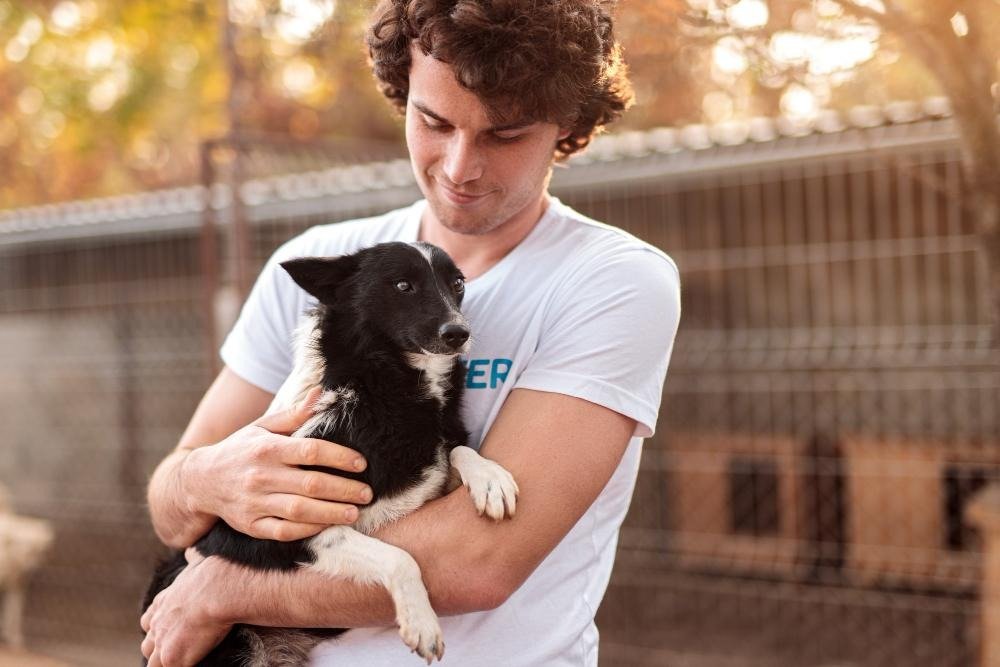
A donation to a dog shelter can look simple from the outside. Someone chooses an amount, makes a contribution, and hopes it will help an animal in need. Inside the shelter, however, that contribution becomes part of something much more tangible. It can mean food in bowls every morning, veterinary attention for a newly rescued dog, clean bedding, medication, repairs to a kennel or simply the ability to keep caring for animals that may need months before they are ready for a permanent home.
A Romanian dog shelter does not operate around isolated rescue moments. Care is always ongoing, including weekends, holidays and periods when donations are harder to secure. This is why financial support matters not only when an emergency attracts attention, but also during the quieter days when dozens or hundreds of ordinary tasks still need to be completed.
A donation often makes a difference in the most ordinary part of the day
Feeding dogs is hardly the most dramatic side of animal rescue, which is precisely why its importance can easily be underestimated. Food is needed every day, regardless of how much public attention a shelter receives that week. For a Romanian dog shelter caring for multiple animals, what seems like a basic expense quickly becomes a permanent responsibility.
The needs are not always identical from one dog to another. Puppies, adult dogs and older animals may require different approaches to feeding, while dogs recovering from illness or arriving in poor physical condition can have particular nutritional needs. The practical work involves much more than buying a bag of food and placing it in storage.
Donations help create the continuity that keeps these routines running without interruption. Water must be available, bowls have to be cleaned, feeding areas maintained, and supplies replenished before they disappear. None of these moments is likely to become the photograph that defines a rescue campaign, yet together they make up a significant part of responsible shelter care.
This is one of the clearest ways to understand what financial support actually does. A contribution does not need to fund an extraordinary intervention to matter. Sometimes its value is found in something deliberately ordinary: another morning in which every dog receives what it needs.
Veterinary care turns financial support into very practical help
Dogs do not arrive at shelters with predictable histories. Some may have spent considerable time on the streets, while others may have been abandoned recently. Their medical needs can range from routine veterinary care to treatment that requires repeated examinations and a longer recovery period.
For a Romanian dog shelter, veterinary expenses can therefore change quickly. A newly rescued animal may need an examination before the team fully understands its condition. Tests, medication, vaccinations, parasite control or other veterinary procedures may follow depending on the individual dog’s needs and the veterinarian’s assessment.
Emergency cases make this financial reality even more visible. When an injured or seriously ill dog needs help, treatment cannot always wait for a fundraising campaign to reach its target. Shelters need the ability to respond when the animal is in front of them, not several weeks later.
Donations provide some of the resources that make these decisions possible. They can support both urgent treatment and the less visible medical care that accompanies an animal throughout its time in the shelter. A course of medication administered correctly for several days may not generate the same emotional response as the moment of rescue, but it can be just as important to the dog’s recovery.
As a result, veterinary care becomes less of a single event and more of an ongoing responsibility, extending from the first examination to monitoring and preparation for the next stage of the dog’s life.
Clean, safe spaces require daily resources
A shelter is also a physical environment that has to withstand constant use. Kennels need cleaning, bedding needs replacing, food and medical supplies require suitable storage, and damaged equipment eventually has to be repaired. Weather adds another layer of pressure, particularly when dogs need protection from cold, heat, rain or other difficult conditions.
Part of a donation may therefore support needs that are almost invisible to someone following rescue work online. Cleaning products are not emotionally compelling, nor are repairs, utility bills or everyday maintenance. Yet a shelter cannot provide responsible care without them.
Hygiene is especially important when many animals live within the same facility. Keeping spaces clean requires consistent work and a steady supply of appropriate materials. The work starts the next day again because shelter care is repetitive by nature. A kennel cleaned yesterday still needs attention today.
Infrastructure matters for the same reason. A secure gate, a functioning water system or a properly maintained enclosure may never appear in an adoption story, but each contributes to the environment where the dogs spend their days.
This is where unrestricted financial support can be particularly useful for rescue organizations. It gives them greater flexibility to respond to practical needs as they appear, including those that are difficult to package into an individual fundraising story.
Donations also give dogs who aren’t ready for adoption more time to find a home.
The journey from rescue to adoption rarely follows a fixed timetable. Some dogs may adjust relatively quickly, while others need considerably more time. A frightened animal cannot be expected to become comfortable with human contact according to a fundraising calendar, and a dog undergoing medical treatment may not be ready to leave simply because a potential adopter has appeared.
Every additional week of care has a cost. The dog continues to eat, occupy a safe space and require attention. Medical treatment may continue, while daily interaction and observation remain necessary.
This is one of the less obvious ways donations can change an animal’s experience: they can provide time. When a shelter has resources for ongoing care, the period between rescue and adoption can be treated as an important part of the process rather than an inconvenient delay.
For dogs that have experienced neglect, abandonment or prolonged life on the streets, that period can be particularly meaningful. Shelter teams and volunteers may need to learn how an individual dog reacts to people, other animals and unfamiliar situations. Gradual interaction can reveal characteristics that were impossible to see when the dog first arrived frightened or overwhelmed.
Those observations can later contribute to finding them a more appropriate home. Supporting a shelter therefore means supporting not only survival, but also the days and weeks during which staff and volunteers get to know the animal they hope to place with a family.
Reliable support helps a Romanian dog shelter plan for the next emergency
Animal rescue naturally attracts attention during emergencies. An injured dog, an abandoned litter or an animal found in severe conditions creates an immediate reason to act. Shelters, however, cannot operate entirely from one emergency appeal to the next.
Predictable support changes what is possible behind the scenes. When an organization has recurring donors, sponsorships and other dependable sources of assistance, it becomes easier to plan essential expenses instead of constantly reacting to shortages. Food can be ordered before supplies become critical, routine veterinary needs can be anticipated, and maintenance can be addressed before a small problem becomes a larger one.
This continuity also matters because rescue work does not end at the shelter gate. Responsible organizations may be involved in adoption efforts, awareness, education and initiatives intended to reduce the number of unwanted animals over time. Preventive work can be less visible than rescuing a dog in immediate danger, but it addresses some of the circumstances that repeatedly bring animals into shelters.
For supporters who cannot adopt, there are still different ways to contribute. A one-time donation can meet an immediate need, while recurring support or sponsorship can help provide greater continuity. Some people choose to support animal welfare through memorial gifts, legacy giving or other forms of longer-term contribution.
What connects all these forms of support is what happens after the donation is made. Money becomes food, treatment, shelter maintenance and the countless ordinary necessities that allow care to continue. Inside a Romanian dog shelter, the impact is rarely limited to one dramatic moment. It is spread across mornings and evenings, veterinary appointments, cleaned kennels, meals, repairs and another safe night for a dog that previously had nowhere dependable to go.

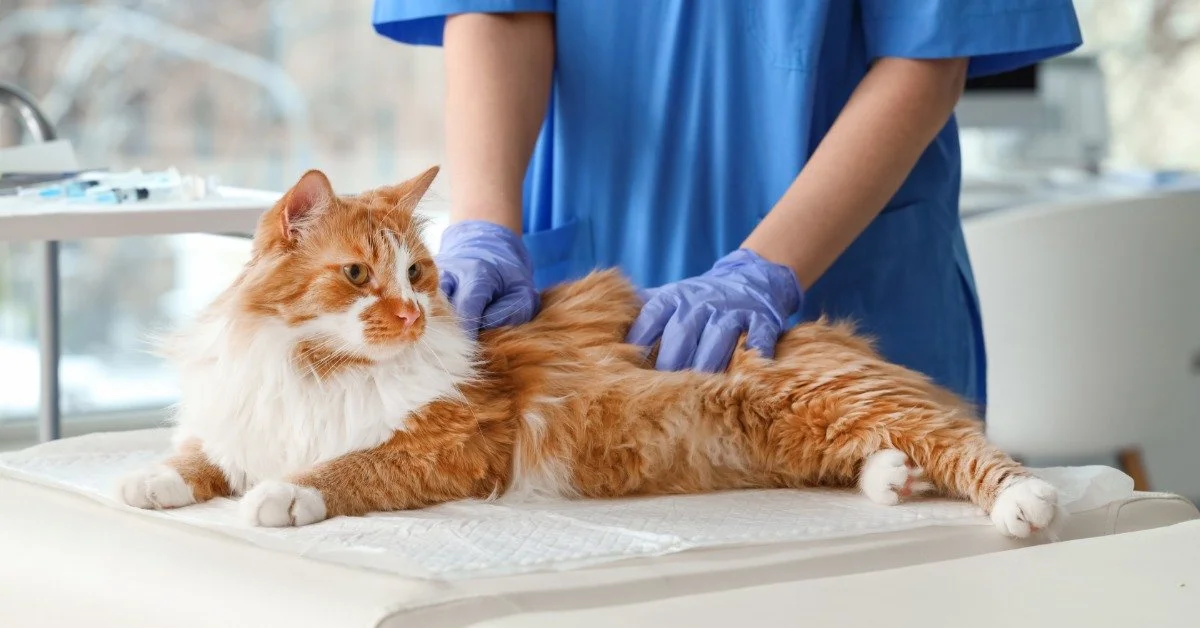
Cleaning a cat wound properly can help remove dirt, reduce the risk of infection, and support healing. For minor cuts and superficial scratches, you can gently rinse the area with sterile saline or clean, lukewarm water. However, deep wounds, bite wounds, heavy bleeding, and injuries near the eyes require veterinary attention rather than home treatment.
Before cleaning your cat’s wound, check its size, location, and severity. Cats may hide pain, so even a small-looking injury can be more serious than it appears. Knowing how to clean a wound safely can help protect your cat while you decide whether veterinary care is necessary.
Check the Wound Before Cleaning
Start by examining your cat in a quiet, well-lit area. Speak calmly and approach slowly because an injured cat may feel frightened or defensive. If possible, ask another adult to gently hold your cat while you inspect the wound.
Look for cuts, scratches, punctures, swelling, redness, discharge, or missing fur. Check whether the wound is actively bleeding and whether your cat reacts strongly when you approach it. Avoid pressing the injured area or trying to open the wound to inspect its depth.
Some wounds need immediate veterinary attention. These include deep cuts, puncture wounds, wounds caused by animal bites, injuries with visible tissue underneath the skin, and wounds containing embedded objects. Wounds near the eyes, chest, abdomen, or joints also need prompt professional assessment.
Seek emergency veterinary care or consult your vet, if your cat has uncontrolled bleeding, difficulty breathing, pale gums, collapse, or severe weakness. Do not delay treatment to clean a serious injury at home.
Gather the Supplies You Need
Prepare everything before handling your cat. This helps you clean the wound quickly and reduces stress.
You will need sterile saline solution or clean, lukewarm water, sterile gauze pads, a clean towel, and disposable gloves if available. Keep a small bowl nearby if you need to rinse the gauze.
Sterile saline is a good option because it gently rinses away dirt without irritating the wound. If you do not have saline, clean drinking water that is lukewarm or at room temperature is suitable for rinsing a minor wound.
Avoid using cotton wool directly on an open wound because loose fibers can stick to the injured tissue. Gauze is generally a better choice for gently cleaning the surrounding skin.
Do not use Vaseline, hydrogen peroxide, rubbing alcohol, concentrated iodine, essential oils, or household disinfectants on an open wound unless your veterinarian specifically instructs you to use a particular product in a particular way. These substances can irritate tissue and interfere with healing.
Keep Your Cat Calm and Comfortable
Your cat’s safety matters as much as wound cleaning. Even a friendly cat may scratch or bite when experiencing pain.
Choose a quiet room with good lighting. Place your cat on a stable, comfortable surface covered with a towel. Handle the injured area as little as possible.
If your cat remains calm, gently hold it in a natural position. Avoid squeezing the body or restricting breathing. You can wrap a cooperative cat loosely in a towel to limit sudden movements, leaving the injured area accessible.
Never force your cat to tolerate cleaning if it becomes highly distressed or aggressive. Stop if handling causes significant pain or creates a risk of injury. A veterinarian can provide appropriate pain relief and safely examine the wound.
Do not give human painkillers to calm your cat or relieve its discomfort. Medicines such as acetaminophen and ibuprofen can be highly toxic to cats.
Rinse the Wound With Saline or Water
For a minor, superficial wound, gentle rinsing is usually the most important cleaning step.
Wash your hands before starting and put on disposable gloves if available. If the wound is bleeding, apply gentle, continuous pressure with sterile gauze before attempting to rinse it. Seek urgent veterinary care if bleeding is heavy or does not stop with sustained pressure.
Once bleeding is controlled, slowly pour sterile saline or clean, lukewarm water over the wound. Let the liquid wash away loose dirt, dried blood, and other surface debris.
Do not scrub the wound or rub it vigorously. Scrubbing can damage delicate tissue and increase discomfort. If dirt remains stuck in the wound, do not dig it out with tweezers or other tools. Let a veterinarian remove embedded material safely.
Use fresh gauze to gently dab the surrounding fur and skin. Avoid pushing gauze into the wound or using pressure that causes pain.
For a small, clean scratch, a gentle rinse may be enough. If the wound is deep, gaping, contaminated, or caused by a bite, contact a veterinarian even if it looks clean afterward.
Clean the Skin Around the Wound
Dirt and discharge can collect on the fur surrounding an injury. Cleaning the nearby skin helps prevent surface debris from entering the wound again.
Moisten a clean gauze pad with saline or clean water. Gently wipe the skin around the wound, moving away from the injured area when possible. Use a fresh section of gauze for each pass so you do not spread dirt back onto the skin.
If fur is covering the injury, do not use scissors or a razor close to the wound. Cats can move suddenly, and even a small movement can cause a serious cut. A veterinarian can clip the fur safely when necessary.
Avoid pulling away dried scabs. Scabs help protect healing tissue, and removing them can cause bleeding or delay recovery.
If the surrounding fur is heavily matted with blood or discharge, ask your veterinarian how to clean the area without disturbing the wound.
Dry the Area Gently
After rinsing, allow excess liquid to drain away. Use clean, sterile gauze to gently blot the surrounding skin without rubbing the wound.
Do not try to dry the wound with a hair dryer or expose it to direct heat. Heat can burn sensitive tissue, and unnecessary handling can cause discomfort.
Avoid applying powders, creams, ointments, or herbal remedies unless your veterinarian recommends them. Cats groom themselves and may lick products from their skin, potentially swallowing ingredients that are unsafe for them.
Some wounds need specific topical treatments or dressings, while others heal best with veterinary-directed cleaning alone. The appropriate approach depends on the injury’s depth, location, and cause.
Prevent Your Cat From Licking the Wound
Cats naturally lick injured areas, but excessive licking can damage healing tissue. Their tongues can irritate the skin, reopen a wound, and introduce bacteria.
If your cat repeatedly licks or chews the injured area, ask your veterinarian about an Elizabethan collar, often called a cone. A properly fitted collar can prevent your cat from reaching the wound while allowing it to breathe and swallow comfortably.
Check that the collar does not rub against the injury or prevent your cat from accessing food and water. Supervise your cat until you know it can move around safely while wearing it.
Do not cover a wound with a tight homemade bandage to prevent licking. Incorrect bandaging can restrict circulation, trap moisture, or hide signs of infection. Some injuries require a professional dressing, while others should remain uncovered under veterinary guidance.
Know When a Cat Wound Needs a Veterinarian
Not every cat wound can be treated safely at home. Small surface scratches may need only gentle cleaning, but punctures and deeper injuries can cause complications beneath the skin.
Cat bite wounds are particularly concerning because tiny punctures can close over and trap bacteria. An abscess may develop several days later, causing swelling, pain, warmth, or pus. A cat that has fought with another animal should receive prompt veterinary advice, even if the visible injury seems minor.
Seek veterinary attention if you notice increasing redness, swelling, discharge, a foul smell, persistent bleeding, worsening pain, or a wound that does not improve. Fever, reduced appetite, unusual hiding, lethargy, and changes in behavior can also indicate a problem.
A wound with exposed muscle or other deeper tissue, separated edges, or a foreign object needs professional care. Do not attempt to close it with household glue, tape, or stitches.
If your cat has an unknown vaccination history or was bitten by a wild animal, contact your veterinarian promptly for advice about infection risks and any necessary preventive treatment.
Monitor the Wound During Healing
After cleaning a minor wound, check the area at least daily. Look for changes in size, color, swelling, discharge, and your cat’s comfort level.
A healing wound should generally become less painful and show gradual improvement. Mild redness immediately after an injury may occur, but increasing redness, warmth, swelling, or discharge is concerning.
Follow your veterinarian’s instructions about how often to clean the wound. Repeated cleaning is not always better because excessive handling can irritate tissue and disrupt healing. If your veterinarian prescribes medication, use it exactly as directed and complete the recommended course.
Keep your cat indoors while the wound heals. This reduces exposure to dirt, fighting, and other sources of injury. Provide clean bedding and a comfortable resting area.
Do not assume that a wound is healed simply because the surface has closed. Deeper tissue may need additional time to recover, especially after punctures or surgery. Contact your veterinarian if healing seems slow or the wound opens again.
How Often Should You Clean a Cat Wound?
The ideal cleaning frequency depends on the wound and your veterinarian’s instructions. For a minor surface injury, gentle cleaning when needed may be sufficient. Repeatedly washing a clean wound can irritate the skin and interfere with healing.
If a veterinarian has examined the wound, follow the recommended cleaning schedule rather than using a general routine. Surgical wounds, drains, abscesses, and wounds requiring bandages often need specific care.
Never remove a veterinary dressing or drain unless instructed to do so. If a bandage becomes wet, slips, smells unpleasant, or appears too tight, contact the clinic for guidance.
Common Mistakes to Avoid When Cleaning a Cat Wound
Several common mistakes can make an injury worse. Avoid using alcohol or hydrogen peroxide, which can damage healing tissue. Do not scrub aggressively, pull off scabs, squeeze swollen areas, or dig into a wound to remove debris.
Never use human medications or topical products without veterinary advice. Some ingredients that are safe for people can be dangerous when cats swallow them during grooming.
Avoid tight bandages, homemade wound closures, and attempts to treat deep bite wounds without professional care. Do not ignore a wound simply because your cat continues eating or behaving normally.
Most importantly, do not delay veterinary treatment while repeatedly trying to clean a serious injury. Gentle rinsing can help with a minor wound, but it cannot replace examination, pain relief, antibiotics when indicated, or surgical treatment when necessary.
Help Your Cat Recover Safely
Cleaning a minor cat wound involves gentle rinsing with sterile saline or clean water, careful cleaning of the surrounding skin, and preventing excessive licking. Handle your cat calmly and avoid harsh chemicals, unnecessary rubbing, and unapproved medications.
Watch for swelling, discharge, increasing pain, or changes in behavior, and seek veterinary care when these signs appear. Deep cuts, bite wounds, persistent bleeding, and injuries involving sensitive areas need professional attention.
When you are unsure how serious a wound is, contact a veterinarian rather than relying on home cleaning alone. Prompt assessment and appropriate care give your cat the best chance of recovering safely.


Every dog owner knows that guilt. You’re packing your suitcase, your pup is watching you with those big eyes, and you’re already dreading the goodbye. Leaving your dog behind is never easy—but where your dog stays while you’re away makes all the difference.
At Boston Dog Butlers, we believe your dog deserves more than just a place to wait. They deserve an experience. Our pet boarding service is built around one simple idea: your dog should feel loved, safe, and genuinely happy—even when you’re not around.
What Makes Professional Pet Boarding Worth It?
A lot of pet owners still rely on friends, family, or neighbors to watch their dogs when life gets busy. And while those arrangements come from a good place, they don’t always come with the structure, safety, or expertise your dog truly needs.
Professional pet boarding brings consistency. Dogs thrive on routine—regular feeding times, daily exercise, and predictable schedules all contribute to a calmer, happier dog. When your pup is in the hands of trained professionals, that routine doesn’t break just because you’re out of town.
At Boston Dog Butlers, our team is experienced in dog behavior and genuinely passionate about animal care. We don’t just supervise dogs—we engage with them, comfort them, and give them the attention they’d expect at home.
A Safe, Stimulating Environment Your Dog Will Love
Safety is the foundation of everything we do. Our facilities are designed with dogs in mind—secure, clean, and thoughtfully set up to reduce stress and encourage play.
But we go beyond the basics. Dogs staying with Boston Dog Butlers enjoy:
- Supervised group play sessions that allow socialization at a comfortable pace
- Dedicated rest areas so dogs can recharge between activities
- Personalized attention tailored to each dog’s temperament and needs
- Regular check-ins so you always know how your pup is doing
Whether your dog is a social butterfly or a little more on the shy side, our team adjusts the experience to suit their personality. No two dogs are the same, and we don’t treat them that way.
How Boston Dog Butlers Puts Your Dog First
What sets Boston Dog Butlers apart isn’t just the facilities—it’s the people. Our team genuinely loves dogs. That’s not a tagline; it’s the reason they show up every day ready to give every pup in their care the best possible experience.
We maintain low dog-to-staff ratios so that every dog gets meaningful attention throughout the day. Meals are served on schedule, medications are administered as needed, and playtime is never cut short.
We also keep communication open with pet owners. You won’t be left wondering how your dog is doing. Regular updates, photos, and check-ins are part of the experience—because we know peace of mind matters just as much to you as comfort matters to your dog.
The Emotional Benefits of Choosing the Right Boarding Service
Dogs are emotionally intelligent animals. They pick up on stress, changes in environment, and the absence of their owners. A poorly managed boarding experience can leave a dog anxious, withdrawn, or even acting out after returning home.
The right environment does the opposite. When dogs are cared for with warmth and consistency, they adapt well. Many dogs who board regularly with Boston Dog Butlers actually get excited on drop-off days—because they associate the experience with fun, affection, and great company.
This emotional wellbeing carries over when they come home. A dog who was genuinely happy during your absence tends to settle back into home life without the separation anxiety or clinginess that can follow a stressful stay elsewhere.
What to Expect When You Book With Boston Dog Butlers
Booking with us is simple, and we make the onboarding process smooth for both you and your dog.
Before your dog’s first stay, we take the time to learn about them—their habits, preferences, quirks, and any special requirements. This helps us hit the ground running so your dog feels comfortable from day one.
Here’s a quick look at what the process looks like:
- Initial consultation — Tell us about your dog so we can match them with the right environment
- Meet and greet — Let your dog explore our space and meet the team before their first overnight stay
- Flexible booking — Whether you need a one-night stay or a two-week arrangement, we work around your schedule
- Ongoing communication — We keep you updated throughout your dog’s stay so you can travel with complete confidence
Your Dog Deserves the Best While You’re Away
Life doesn’t stop for anyone—not even for dog owners. Business trips, vacations, family events, and emergencies all happen. And when they do, having a trusted, professional team ready to step in is invaluable.
Pet boarding at a facility that combines expert care, a safe environment, and genuine affection ensures your dog not only survives your absence but actually thrives during it—coming home happier, well-rested, and ready to shower you with all the tail wags you’ve been missing.
At Boston Dog Butlers, that’s exactly what we deliver. Our boarding service isn’t just a solution for when you’re away—it’s an experience your dog will genuinely enjoy. Because they deserve nothing less.
Ready to give your dog a stay they’ll love? Contact Boston Dog Butlers today and book your first boarding experience.

How to Get a Live TV App Running on Every Screen in Your Home in One Evening

Handling Difficult Negotiations: How Estate Agents Navigate Complex Buyer-Seller Disputes

ETIAS delayed again: why travelers shouldn’t plan around rumored dates

Who Is Shameera? All You Need To Know About Charli XCX’s Mother

Who Is Gulliver Flynn Oldman? The Untold Story of Sir Gary Oldman’s Son

AI Video for Social Media: How Small Brands Keep Up Without Burning Out
-
Biographies9 months ago
Who Is Shameera? All You Need To Know About Charli XCX’s Mother
-
Biographies9 months ago
Who Is Gulliver Flynn Oldman? The Untold Story of Sir Gary Oldman’s Son
-
 Blog5 months ago
AI Video for Social Media: How Small Brands Keep Up Without Burning Out
-
 Biographies10 months ago
Meet Rosemary Turner: The Mother of Actor Callum Turner
-

 Biographies8 months ago
Who is Alexandra James? Inside The Life of Jeremy Clarkson’s Former Partner
-
 Biographies10 months ago
Who is Todd McRae? Meet Tate McRae’s Father
-
 Biographies9 months ago
Who Is Daniel Mara? The Untold Story of Kate Mara’s Private Sibling
-
 Celebrity10 months ago
Who Is Peter Hernandez? The Real Story of Bruno Mars’ Father