
Business
How to Use RUNT Por Placa and SIMIT Por Placa to Check Your Vehicle’s Legal Status in Colombia


If you own or drive a vehicle in Colombia, staying on top of your legal obligations is not optional — it is essential. Two of the most important tools available to Colombian drivers are RUNT Por Placa and SIMIT Por Placa.
These platforms let you instantly verify vehicle registration, traffic fines, and compliance status all with just a license plate number. Whether you are buying a used car, renewing documentation, or simply checking for outstanding fines, these tools save you time and prevent legal headaches.
What Is RUNT Por Placa and Why Does It Matter?
The Registro Unico Nacional de Transito (RUNT) is Colombia’s official national traffic registry, managed by the national government. It centralizes all data related to vehicles, drivers, and transit agencies across the country. When you search by plate number, you gain access to the vehicle’s full registration history, ownership records, and technical-mechanical inspection results.
This is especially valuable when purchasing a second-hand vehicle. A quick lookup through RUNT Por Placa can reveal whether the vehicle has unpaid obligations, liens, or legal restrictions — information that protects buyers from fraud and ensures a safe transaction.
What Information Can You Access Through RUNT?
- Current vehicle owner and ownership transfer history
- Vehicle registration status (active, suspended, or cancelled)
- Technical-mechanical inspection (revision tecnicomecánica) validity
- SOAT mandatory vehicle insurance status
- Vehicle details: make, model, year, and color
- Legal restrictions or embargo status placed on the vehicle
How to Consult RUNT Por Placa Step by Step?
Consulting the RUNT registry is straightforward. Visit the official platform, enter your vehicle’s license plate number in the designated search field, and the system returns a complete report within seconds. No registration or login is required for a basic vehicle query.
For a reliable and fast experience, you can use RUNT Por Placa to check your vehicle’s full registration and legal standing using just the license plate number — a reliable, fast, and completely free lookup tool.
What Is SIMIT Por Placa and How Does It Help Drivers?
The Sistema Integrado de Informacion sobre las Multas y Sanciones por Infracciones de Transito (SIMIT) is the national system that consolidates all traffic fine records in Colombia. Administered by the Federacion Colombiana de Municipios, SIMIT allows any driver or vehicle owner to instantly check whether their vehicle has outstanding fines linked to it.
Unpaid fines in Colombia can have serious consequences. They can block your vehicle’s registration renewal, prevent the transfer of ownership, and even lead to your driver’s license being suspended. Knowing your fine status before these consequences hit is the smart move.
Common Traffic Violations Recorded in SIMIT
- Speeding infractions detected by radar or traffic cameras
- Running red lights or failing to respect traffic signals
- Driving without a valid SOAT or technical inspection certificate
- Parking in restricted or prohibited zones
- Operating a vehicle under the influence of alcohol
How to Check Your Fines Through SIMIT Por Placa
Checking your fines is quick and requires no paperwork. Simply enter your vehicle’s license plate into the SIMIT search tool, and the system pulls all recorded infractions — including the fine amount, issuing authority, and payment status.
To instantly check if your vehicle has any outstanding traffic fines, use SIMIT Por Placa— a fast and user-friendly way to access all recorded infractions linked to your license plate across Colombia’s transit agencies.
RUNT vs SIMIT: Understanding the Key Differences
While both platforms use your license plate to retrieve information, they serve very different purposes. RUNT focuses on vehicle identity and legal registration. SIMIT focuses on traffic infractions and financial penalties.
Think of it this way: RUNTtells you if the vehicle is legally registered and compliant. SIMIT tells you if the vehicle or driver owes money for past infractions. Both checks together give you a complete picture of a vehicle’s legal standing.
For example, if you are buying a used car in Bogota, Medellin, or Cali, running both a RUNT and SIMIT check is considered standard due diligence. Colombian law does not automatically clear fines when ownership changes — the debt follows the vehicle, not the previous owner.
Why Regular Plate Checks Are a Smart Habit for Colombian Drivers
Colombia’s Codigo Nacional de Transito requires all vehicles to maintain current documentation at all times. Violations can result in heavy fines, vehicle immobilization, or license suspension. Making it a habit to check both RUNT and SIMIT regularly helps you stay ahead of any problems.
Checking your plate at least once a month — or before any major vehicle transaction — gives you peace of mind. It confirms that your vehicle is fully compliant and free of unresolved penalties that could surprise you at a transit checkpoint or during a sales process.
Frequently Asked Questions
Is it free to check RUNT Por Placa?
Yes. Basic vehicle queries using a license plate number are available at no cost through the official platform and authorized service providers.
Can I pay SIMIT fines online?
Yes. After checking your fines through SIMIT Por Placa, you can often pay directly online using bank transfers, credit cards, or through affiliated payment networks across Colombia.
Does an unpaid fine affect vehicle registration renewal?
Yes. In Colombia, unpaid SIMIT Fines can block your vehicle’s annual registration renewal (matricula). You must clear all outstanding penalties before the transit authority will renew your documents.
Conclusion
RUNT Por Placa and SIMIT Por Placa are two indispensable tools for every Colombian vehicle owner and driver. RUNT ensures your vehicle’s registration and documentation are in order, while SIMIT keeps you informed of any outstanding fines that could restrict your driving rights or block future transactions.
Using both platforms regularly is one of the simplest and most effective ways to stay legally compliant and avoid unexpected penalties on the road. Do not wait until a fine or registration block surprises you — check your plate today and drive with confidence.


AI leadership changes once organizations move beyond isolated pilots. Senior executives must decide which use cases deserve funding, what infrastructure they need, how they will govern risks, and whether a promising experiment can deliver measurable value at enterprise scale.
Those decisions require more than general familiarity with artificial intelligence. A Chief AI Officer may need to evaluate build-versus-buy choices, question technical proposals, establish data and governance standards, manage an AI portfolio, communicate with boards, and coordinate adoption across business functions.
The five programs below approach that responsibility from different angles, including AI investment, governance, enterprise architecture, portfolio management, organizational change, and large-scale deployment.
5 Chief AI Officer Programs to Compare
| # | Program & Provider | Fees | Eligibility | Duration | Credentials |
| 1 | Chief AI Officer Programme – London Business School | £22,000 | Minimum 10 years of experience; responsibility for AI strategy or enterprise transformation | 5 months | Certificate of Completion from London Business School Executive Education |
| 2 | Chief AI Officer Program – Chicago Booth Executive Education | $28,000 | Minimum 10 years of work experience | 10 months | Certificate of Completion + digital badge |
| 3 | Chief AI Officer Program – Texas McCombs | $19,000 | Senior executives and leaders involved in AI strategy, investment, adoption, or governance; no coding required | 7 months | Certificate of Completion + CEUs |
| 4 | Chief Data and AI Officer Certificate Program – Carnegie Mellon University Heinz College | $17,850 | At least 7 years of relevant experience managing projects or people | 7 months | Executive Education Certificate |
| 5 | Chief AI Officer Program – Thunderbird School of Global Management, Arizona State University | $6,400 | 10+ years in senior leadership plus an undergraduate degree or equivalent qualification | 6 months | Certificate from Thunderbird School of Global Management |
1. Chief AI Officer Program – London Business School
The chief ai officer program at London Business School is structured around the decisions senior leaders face when moving from AI opportunity to enterprise transformation. Participants examine investment choices, AI capabilities, governance, cyber and data risk, vertical and Agentic AI, organizational change, and executive communication.
Program Highlights: Two four-day London campus immersions, enterprise AI strategy, investment evaluation, governance, Agentic AI, cybersecurity, experimentation, boardroom simulations, a live organizational AI experiment, and a 100-day AI action plan.
Duration: Five months, combining campus immersions, live online masterclasses, experiment check-ins, and applied work.
Credentials: Certificate of Completion from London Business School Executive Education.
Outcomes: Participants learn to evaluate AI investments, validate use cases with defined success metrics, establish governance structures, influence stakeholders, and convert a tested AI initiative into an enterprise action plan.
Why Choose this Course?
- The live AI experiment ties investment decisions to actual organizational results, rather than leaving strategy at the planning stage.
- The curriculum combines governance with executive influence, including budget discussions, boardroom communication, change, and enterprise adoption.
2. Chief AI Officer Program – Chicago Booth Executive Education
Chicago Booth approaches the CAIO role through business value, infrastructure, scaling, and governance. Participants learn to connect AI strategy with measurable business objectives while evaluating the data, technology, investment, and organizational requirements needed for execution.
Program Highlights: AI maturity assessment, ROI, AI roadmaps, data infrastructure, MLOps, build-buy-partner decisions, scalable deployment, governance, security, regulatory considerations, change leadership, and a capstone.
Duration: Hybrid, 10 months, combining asynchronous study, live online sessions, and an in-person experience.
Credentials: Chicago Booth Executive Education Certificate of Completion and digital badge.
Outcomes: Participants develop AI strategies, quantify investment cases, plan data infrastructure, prioritize use cases, build governance models, and lead adoption across technical and business teams.
Why Choose this Course?
- It treats investment and scale together, covering total cost, architecture, deployment models, and AI lifecycle management.
- The program extends into C-suite leadership, helping executives communicate AI priorities and gain support across the organization.
3. Chief AI Officer Program – The McCombs School of Business at The University of Texas at Austin
The Texas McCombs chief ai officer certification develops the financial and technical judgment required to decide which AI initiatives deserve continued investment. The curriculum progresses from AI strategy into ROI, enterprise architecture, Agentic AI, portfolio management, data readiness, scaling, and board governance.
Program Highlights: 18 live faculty sessions, five-day campus immersion, AI opportunity diagnosis, financial valuation, build-versus-buy analysis, Agentic AI governance, DataOps, MLOps maturity, portfolio management, and board communication.
Duration: Seven months in a blended format, with approximately 4 to 6 hours of weekly commitment.
Credentials: Certificate of Completion and CEUs from Texas McCombs.
Outcomes: Learners evaluate AI proposals, model lifecycle ROI, assess enterprise architecture, decide when pilots are ready to scale, establish governance frameworks, and present AI recommendations to senior stakeholders.
Why to Choose this Course?
- It places financial judgement at the center of AI leadership, including hidden governance costs and decisions about when an initiative should stop receiving investment.
- The progression continues from prototypes to production, covering data readiness, MLOps, governance thresholds, and enterprise-scale adoption.
4. Chief Data and AI Officer Certificate Program – Carnegie Mellon University Heinz College
Carnegie Mellon’s program gives data and AI equal weight. It connects enterprise data management with AI strategy, architecture, responsible AI, emerging technologies, security, privacy, and the operating responsibilities of senior data and AI leaders.
Program Highlights: Enterprise data strategy, governance, analytics maturity, data engineering, AI value creation, scalable AI architecture, MLOps, responsible AI, GenAI, LLMs, cybersecurity, privacy, and a practicum.
Duration: Seven months with synchronous distance learning plus campus sessions that can also be attended virtually.
Credentials: Chief Data and AI Officer Executive Education Certificate from Carnegie Mellon University’s Heinz College.
Outcomes: Participants develop an enterprise data and AI strategy roadmap while learning to connect technology choices, governance, regulation, data quality, and stakeholder support.
Why to Choose this Course?
- It treats data governance as part of AI leadership, which matters when enterprise AI depends on reliable and controlled data.
- The program covers architecture and operations alongside strategy, including scalable systems and AI monitoring.
5. Chief AI Officer Program – Thunderbird School of Global Management at Arizona State University
Thunderbird’s program focuses on building an enterprise AI transformation portfolio across different markets and functions. Its curriculum links competitive strategy with investment cases, technical fluency, Agentic AI, governance, workforce redesign, and global change management.
Program Highlights: 16 live sessions, two-day campus immersion, ROI frameworks, financial governance, RAG and Agentic AI, infrastructure strategy, risk, AI initiative portfolios, operating models, and an AI Global Transformation Playbook.
Duration: Six months.
Credentials: Certificate from Thunderbird School of Global Management at Arizona State University.
Outcomes: Participants learn to build AI investment cases, identify which initiatives should scale, evaluate enterprise architectures, establish governance controls, and create a transformation playbook for their organization.
Why Choose this Course?
- The program connects capital allocation with stage-gated AI experimentation, helping leaders make clearer scale-or-stop decisions.
- Its global focus adds cross-market governance and change considerations, useful for executives working across regions and regulatory environments.
Conclusion
The CAIO role sits at the intersection of technology, investment, risk, and organizational change. Selecting models or approving pilots is only part of the work. Senior leaders also need to decide where capital goes, what controls are required, how success will be measured, and what needs to change before AI can operate across the enterprise.
When comparing chief ai courses, look at the leadership gap you need to close. Some programs place more weight on investment and board decisions, while others go deeper into data strategy, infrastructure, governance, or global transformation. The best fit matches the decisions you are expected to own.

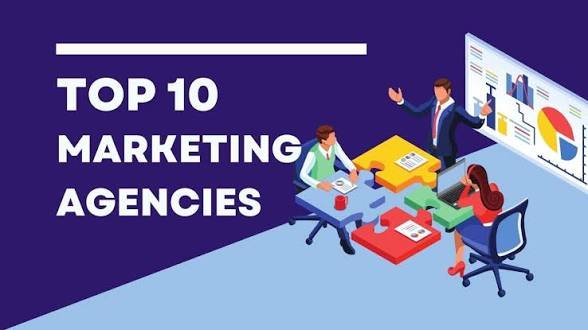
London businesses compete for attention across search, social media and other digital channels. UK digital advertising expenditure reached £40.5bn in 2025, up 10% year on year, according to IAB UK and Oliver Wyman. Search accounted for 44% of that spending, reaching £17.9bn. Your competitors are spending that money, and they are spending it with someone.
That’s why choosing the right digital marketing agency in London matters so much. The right partner can turn a quiet website into your best salesperson. The wrong one can burn through your budget while sending you colourful reports that don’t match your bank balance.
The agencies below are some of the most trusted names working with London businesses today. Each one brings different strengths, so the best choice comes down to your goals, your budget and the way you like to work.
Why London Businesses Are Spending More on Digital in 2026
London is crowded. A plumber in Hackney, a law firm in Holborn and a fashion brand in Shoreditch all face the same problem. There are dozens of rivals one search away, and customers rarely scroll past the first few results.
The numbers show where budgets are heading:
- Social media: Social spend rose 21% to £11.5bn, making up 28% of the market.
- Video: Video investment grew 20% year-on-year to £9.3bn.
- Next year: The market is forecast to grow 10.3% in 2026 to £44.7bn, reaching £49.1bn by 2027.
- Confidence: 57% of surveyed IAB members expect digital budgets to rise in 2026.
What does this mean for you? Clicks are getting more expensive, and guesswork costs more every year. A good agency earns its fee by making each pound work harder than it would on its own.
The Top 10 Digital Marketing Agencies for London Businesses
Each agency below has earned its place through strong client reviews, proven campaign results and a steady record of helping UK businesses grow. Here’s a closer look at what each one does best and the figures behind its reputation.
1. Q-Online – Best for B2B and B2C Lead Generation
Q-Online helps businesses turn online searches into sales leads. It began as an SEO agency in 2011. Since then, it has added Google Ads, web design, social media and LinkedIn outreach. This gives clients a way to reach buyers through more than one channel.
Turning Search Interest Into Enquiries
Before work begins, Q-Online looks at what a business sells and who buys it. The team also checks rival websites and the terms customers use in search. These steps help it choose pages and topics that match real customer needs.
The work can include site fixes, new content, links and landing pages. A landing page gives a visitor a clear next step, such as asking for a quote. Q-Online also serves law firms, dental clinics, retailers and manufacturers. Each sector has its own buyer needs, so the search plan needs to reflect them.
Lead Growth Across Different Sectors
Q-Online reports that its work brought clients more than £7.5 million in business during 2024. It also reports over 6,500 qualified B2B leads in that year. These figures cover client work across the agency rather than one single campaign.
STH Plastics Group gives a more specific example. The client says its sales rose by 31% over 18 months after moving its marketing to Q-Online. For firms that need both search support and new enquiries, this shows the type of work the agency aims to do.
2. Impression – Best for Data-Led Search and Paid Media
Impression helps brands make better use of their search and ad budgets. It has a London office and a team of more than 120 people. The agency works across SEO, paid media, digital PR, content and data. It calls its approach “Evidence into Action”, as tests and results guide its plans.
Using Tests to Improve Each Step
A visitor may see an ad, read a page and leave without getting in touch. Impression studies trace that journey to find where people lose interest. It can then test a new ad, page or site layout to see whether more people take action.
The agency also works on search results and paid social campaigns. This can help a brand judge which channels bring useful visits, not just large traffic numbers. Impression also helps clients show up in AI search tools, where people may now start their research.
A Wider Search Role for Tensar
Impression’s Tensar case study reports a 140% rise in organic visits year on year. It also reports a 289% increase in actions taken on the site, known as conversions.
The work covered a website move, search content and two product launches. These tasks matter because a site move can affect how easily customers find key pages. The case gives an example of how Impression links technical work with the way people use a website.
3. The SEO Works – Best for Search, Ads and Website Growth
The SEO Works helps businesses reach people through search and paid ads. It has worked in digital marketing since 2009 and has a team of over 80 people. Its services include SEO, PPC, content, digital PR and web design. It also works on how brands appear in AI search results.
Making Websites Easier to Find and Use
A business can rank in search but still lose leads if its site is hard to use. The SEO Works deals with both sides of that problem. Its team checks technical issues, plans useful pages and can build or improve a website.
Paid ads give clients another way to reach buyers while SEO work takes effect. The agency serves sectors such as software, health and manufacturing. These firms often need clear service pages so that visitors can find the right product or team.
From Search Visits to Contact Forms
In its Sagacity case study, The SEO Works reports a 200% rise in conversion rate. It also says monthly contact forms grew from 10 to more than 70.
A separate paid search case reports around £940,000 in direct monthly sales for an office supplies firm. Together, the two projects show how the agency works on both leads and sales, though each result came from a different client.
4. Rise at Seven – Best for Creative Search and Digital PR
Rise at Seven helps consumer brands get noticed and turn that interest into site visits. Founded in 2019, it works with names such as Ninja, SIXT and JD Sports. Its campaigns link SEO with news, social media and creative content.
Linking Brand Interest With Search Demand
People do not always start by searching for a product. They may first see a video, read a news story or hear about a new trend. Rise at Seven uses digital PR and creator content to build that early interest.
The team also works on SEO and search in apps such as TikTok and Instagram. This helps brands reach people as they move from hearing about a product to looking for it. The approach makes sense for brands that want to grow both awareness and sales.
How Ninja Gained More Search Visits
Rise at Seven’s Ninja case study says the brand reached first place for “air fryer” searches in the UK and Germany. The agency also reports 59,500 extra monthly clicks and 4,200 email sign-ups.
The work used search, PR and content made with creators. Each part had a role: content drew attention, while search helped people reach Ninja when they wanted more details. The case shows why the agency treats brand reach and search as linked tasks.
5. Loud Mouth Media – Best for Paid Search and Social Ads
Loud Mouth Media focuses on ads that bring sales and leads. It runs Google Ads, paid social, SEO, email and ad creative. It also holds partner status with Google, Meta and Microsoft. For clients, the main goal is to make each pound of ad spend work harder.
Cutting Waste in Paid Campaigns
Paid ads can bring visitors quickly, but not every click leads to a sale. Loud Mouth Media looks at who sees an ad, what it says and where the click takes them. Its team tests ad copy, images, videos and landing pages to improve the results.
The agency also offers SEO, which can bring visits without paying for each click. Using both channels gives a business more ways to reach buyers. Paid ads can help with near-term demand, while search pages may build traffic over time.
Better Lead Costs and Online Sales
In one of its case studies, Loud Mouth Media reports 66% more leads after adding content made with creators. It also reports a 37% fall in cost per lead. That means the campaign brought in more enquiries at a lower average cost.
A separate project saw website revenue rise by 259% and return on ad spend rise by 86%. The figures come from different campaigns, but both show the agency’s focus on what happens after someone clicks an ad.
6. Embryo – Best for Search and Paid Media Working Together
Embryo helps brands use search, social media and content to reach customers. Its services include SEO, PPC, paid social, digital PR and web design. The agency also has its own research tools, called Supertools. These help its team study search trends and ad results before it changes a campaign.
Different Ads for Different Buyers
A single message may not work for every type of customer. Embryo groups buyers by their needs and creates ads for each group. It can then change bids and messages based on how people respond.
For brands with more than one audience, this can make paid ads more useful. The agency also offers SEO and content, so customers can find a brand through search as well as ads. That mix lets a business reach people at different points in their buying journey.
What Changed in TOTUM’s Campaign
Embryo’s TOTUM case study reports a 50% rise in conversion value from paid search. It also reports a 61% rise in return on ad spend from paid social.
TOTUM serves students, workers and apprentices, so one set of ads would not speak to everyone. Embryo created different messages for those groups and changed how each group was targeted. The results show how a more focused ad plan can support a brand with several types of customers.
7. Opace – Best for Websites, Search and Ongoing Support
Opace helps businesses build websites and attract more people to them. It has worked with clients since 2008 and began as a family-run agency. Its services include web design, SEO, online ads and social media. It also builds online shops and helps firms keep their sites up to date.
Support Beyond the First Website Launch
A website needs regular work after it goes live. New products need pages, old content can lose value and site issues can make shopping harder. Opace supports that ongoing work through website updates, search checks and content changes.
It also works with online shops built on WooCommerce and Magento. For retailers, that support can link the way products appear on a site with how customers find them in search. The agency offers paid ads as well, so businesses can promote key products while they build search traffic.
Shedstore’s Gains in Organic Search
Opace’s Shedstore case study reports a 45% rise in organic search visibility. It also cites more than 500 first-page rankings and over 65 first-place rankings. These include search terms for sheds and garages.
Those terms matter because they match products the retailer sells. For an online shop with many product pages, better search reach can help customers find the right section of the site. The case shows the type of ongoing search work Opace provides.
8. Quirky Digital – Best for SEO in Tough Search Markets
Quirky Digital helps businesses compete for search terms that matter to their sales. It began in 2020 and focuses on SEO, website content, links and digital PR. Its work covers firms such as clinics, galleries and online shops, where buyers often research their options before making contact.
Search Pages That Answer Buyer Questions
A person looking for a clinic may want to know about its services before they book. Someone buying art may need more detail before they enquire. Quirky Digital builds search plans around those needs rather than chasing traffic for its own sake.
The agency works on service pages, useful guides and site issues that can make pages hard to find. It also offers support for search in AI tools. It aims to help the right people find clear answers when they are ready to take the next step.
Search Growth in Three Different Markets
In its case studies, Quirky Digital says daily search clicks for Grove Gallery rose from 10 to 350. It also reports 102% more high-value enquiries for an addiction treatment centre.
A separate case for a watch retailer reports a 106% rise in organic revenue. The clients sell very different things, but each relies on being found when buyers are looking for specific help or products. The projects show how the agency adapts SEO to the market.
9. Mayfly Internet Marketing – Best for Long-Term SME Support
Mayfly Internet Marketing helps small and medium-sized firms plan and run their online marketing. It has served clients since 2008 and offers SEO, paid ads, web design, branding, email and social media. The agency says its clients stay for more than five years on average.
Planning Around Business Size and Budget
A smaller firm may need leads now but also want steady growth over time. Mayfly starts by looking at what the firm sells and who it wants to reach. Its team can then choose a mix of search, ads and website work that fits those goals.
The agency states which clients it aims to serve. Its site lists firms with yearly sales of £400,000 to £30 million and a marketing budget of at least £15,000 a year. Those figures help businesses judge whether their needs fit Mayfly’s usual work.
More Local Enquiries for Allerton Windows
In its Allerton Windows case study, Mayfly reports a 47% rise in leads from paid search. The team made pages for the areas the client served and changed its ad targeting by location.
This matters for a window firm because it can only serve buyers in certain places. Showing ads in the right areas can help avoid clicks from people outside that range. The case is an example of Mayfly linking a client’s day-to-day business needs with its ad plan.
10. Smarter Digital Marketing – Best for Local SEO and Search Ads
Smarter Digital Marketing helps businesses gain visits and enquiries from online search. It has worked with clients since 2014 and offers SEO, Google Ads, web design and social ads. Its work spans sectors such as health, property, retail and home services.
Helping Nearby Customers Find a Service
Local search matters when customers need a firm in a set area. They may look for a dentist, tradesperson or shop close to home. Smarter Digital Marketing works on pages and search terms that help those people find a relevant business.
The agency also uses Google Ads and landing pages to support calls, bookings and sales. This gives firms a way to reach people through both paid and unpaid search. Its website work can then help visitors find the service they need and get in touch.
A Local Search Plan for Randox
In its Randox case study, the agency reports seven times more organic traffic and ten times more organic revenue. The project focused on websites for Covid test centres.
Each centre served people in a different area, so the team built search plans around those locations. It also tracked visits and sales to see how the work performed. The case shows how local pages can help a service reach people who need it in a specific place.
How Much Does a Digital Marketing Agency Cost in 2026?
Prices vary a lot. The biggest factors are your industry, how competitive your keywords are and how many channels you need. Here’s a realistic guide based on typical London agency rates:
| Service | Typical Monthly Cost | Good For |
| Local SEO | £500 – £1,500 | Local service firms |
| SEO and content | £1,500 – £4,000 | Growing websites |
| PPC management | £750 – £3,000 plus ad spend | Fast leads and sales |
| Social media marketing | £800 – £3,500 | Awareness and engagement |
| Full-service marketing | £3,000 – £10,000+ | Scaling brands |
Ad spend is almost always separate from the management fee. If an agency quotes one number for “everything”, ask for the split.
Red Flags to Watch For
Not every agency plays fair. Walk away if you notice any of these:
- They promise instant first-page Google rankings with no clear plan
- They won’t show case studies with real numbers
- They keep your Google Ads or Analytics accounts in their own name
- Reports focus on impressions and clicks, never leads or sales
- They push long contracts before proving any value
- You can never reach the person who actually runs your account
Choose a Partner, Not Just a Provider
London’s digital market will only get busier as UK spend heads towards a forecast £44.7bn this year. Every agency on this list has shown it can deliver, from award-winning search specialists to flexible, family-run teams.
The right digital marketing agency in London for you is the one whose strengths match your goals. Start by deciding what growth means for your business, whether that’s more leads, more sales or stronger visibility. Then shortlist two or three agencies and ask each one the questions above.
Look closely at how each one reports results and who will actually run your account. Choose the partner that talks about revenue, not just rankings, and you’ll give your business the best chance to grow in 2026 and beyond.

Most rooms in a home get updated every few years. A new sofa arrives, a kitchen gets fresh paint, a home office gains a better chair. The bedroom is different. Many people keep the same bed, dresser and nightstands for a decade or longer, sometimes moving them from one home to the next.
That long lifespan changes how bedroom furniture should be chosen. A piece bought on impulse because it was on sale or looked good in a photo will be part of daily life for years, every morning and every night. Thinking about how furniture is built, how it will be used and how it fits the room pays off far longer than almost any other home purchase.
Start With How You Use The Room
Before looking at styles or finishes, think about what actually happens in the bedroom. Some people use it only for sleeping. Others read in bed, fold laundry there, work from a small desk in the corner or keep most of their wardrobe in the room because closets are tight.
Those habits decide what furniture the room really needs. A person with a small closet may need a tall chest or an armoire more than a second nightstand. Someone who reads every night needs a bedside surface large enough for a lamp, a book and a glass of water. A couple sharing the room may need two separate dressers so each person has their own space.
Making a short list of daily routines first helps avoid buying pieces that look good but don’t solve real problems.
The Bed Sets The Scale
The bed is the largest piece in the room, and everything else is arranged around it. Its size and style affect how open or crowded the space feels.
Panel beds have a solid headboard, and often a footboard, and suit traditional and classic rooms.
Low platform beds sit closer to the floor and don’t need a box spring. They give a cleaner, more modern look and can make a room with lower ceilings feel taller.
Storage beds include drawers built into the base, which is useful in smaller bedrooms where floor space for extra furniture is limited.
As a general guideline, leave about two feet of walking space on the sides and foot of the bed so the room is easy to move through. In tight rooms, a bed without a footboard can make the space feel less boxed in.
Storage That Matches Your Wardrobe
Dressers and chests handle most bedroom storage, and they come in different shapes for different needs.
A wide dresser with six or seven drawers offers plenty of space for folded clothes and a long top surface for a mirror, a tray or a few personal items. A tall chest takes up less floor space and works well in narrow rooms or alongside a bed in smaller layouts. Armoires and wardrobes add hanging space, which helps in older homes with small closets.
Drawer quality matters more than many shoppers realize. Drawers that stick or sag become a daily annoyance. Look for smooth movement, sturdy joinery and drawers that close evenly. Opening and closing a drawer several times in the store is one of the easiest tests of how a piece will hold up.
Why Solid Wood Holds Its Value
Furniture made from solid wood tends to outlast pieces built from particleboard or thin veneers. It handles daily use better, can be tightened or repaired if a joint loosens, and can often be refinished if the surface wears.
For buyers comparing options, bedroom furniture Maine showrooms and other independent retailers often carry handcrafted solid wood collections where customers can choose the wood finish that suits their home. That ability to pick a finish matters for a room meant to stay the same for years. A warm, medium tone may suit a cozy cottage bedroom, while a darker finish can feel more formal, and a lighter one can brighten a small space.
Matching finishes across the bed, dresser and nightstands creates a calm, unified look. Mixing finishes can also work, as long as the tones feel deliberate rather than random.
Nightstands And Finishing Pieces
Nightstands are small, but they get used constantly. Choose a height close to the top of the mattress so reaching for a phone or a glass of water doesn’t require stretching. A drawer helps hide chargers, medications and other clutter, while a shelf underneath adds space for books.
Other pieces can make the room more functional. A mirror above a dresser helps with getting ready and reflects light to make the room feel larger. A bench at the foot of the bed gives a spot to sit while putting on shoes or to lay out clothes for the next day.
Don’t Overlook The Mattress
Even the most beautiful bed frame can’t fix a poor night’s sleep. The mattress is the piece that most directly affects how rested people feel each morning.
Handmade mattresses are worth considering for buyers who want long-lasting comfort. They’re often built with more attention to materials and construction than mass-produced models. Whatever type you choose, test it in person when possible, lying in your usual sleeping position for several minutes rather than sitting on the edge.
A Simple Buying Checklist
Measure the room, doors and stairways before buying.
Plan walking space around the bed.
Match storage pieces to how much clothing you own.
Test drawers for smooth, even movement.
Choose finishes that work together across the room.
Pick nightstands close to mattress height.
Try mattresses in person before deciding.
A Room Worth Investing In
People spend roughly a third of their lives in the bedroom, more than in any other room of the house. Furniture that’s well built, well sized and suited to daily routines makes that time more restful and that space easier to live in. Choosing carefully now means fewer replacements later and a bedroom that still feels right years from now.

The Rise of Personalized SMS Marketing

AI Investment, Governance and Scale: 5 Chief AI Officer Programs

Can I Book a Private Abortion Without Seeing My GP?

Who Is Shameera? All You Need To Know About Charli XCX’s Mother

Who Is Gulliver Flynn Oldman? The Untold Story of Sir Gary Oldman’s Son

Meet Rosemary Turner: The Mother of Actor Callum Turner
-
Biographies8 months ago
Who Is Shameera? All You Need To Know About Charli XCX’s Mother
-
Biographies8 months ago
Who Is Gulliver Flynn Oldman? The Untold Story of Sir Gary Oldman’s Son
-
Biographies9 months ago
Meet Rosemary Turner: The Mother of Actor Callum Turner
-

 Biographies7 months ago
Who is Alexandra James? Inside The Life of Jeremy Clarkson’s Former Partner
-
 Biographies8 months ago
Who is Todd McRae? Meet Tate McRae’s Father
-
 Biographies8 months ago
Who Is Daniel Mara? The Untold Story of Kate Mara’s Private Sibling
-
 Celebrity9 months ago
Who Is Peter Hernandez? The Real Story of Bruno Mars’ Father
-
 Biographies8 months ago
Who Was Adrian Mayers? The Untold Life of A$AP Rocky’s Late Father