
Biographies
Who Is Hope Shaw? The Untold Story of Sharon Osbourne’s Mother

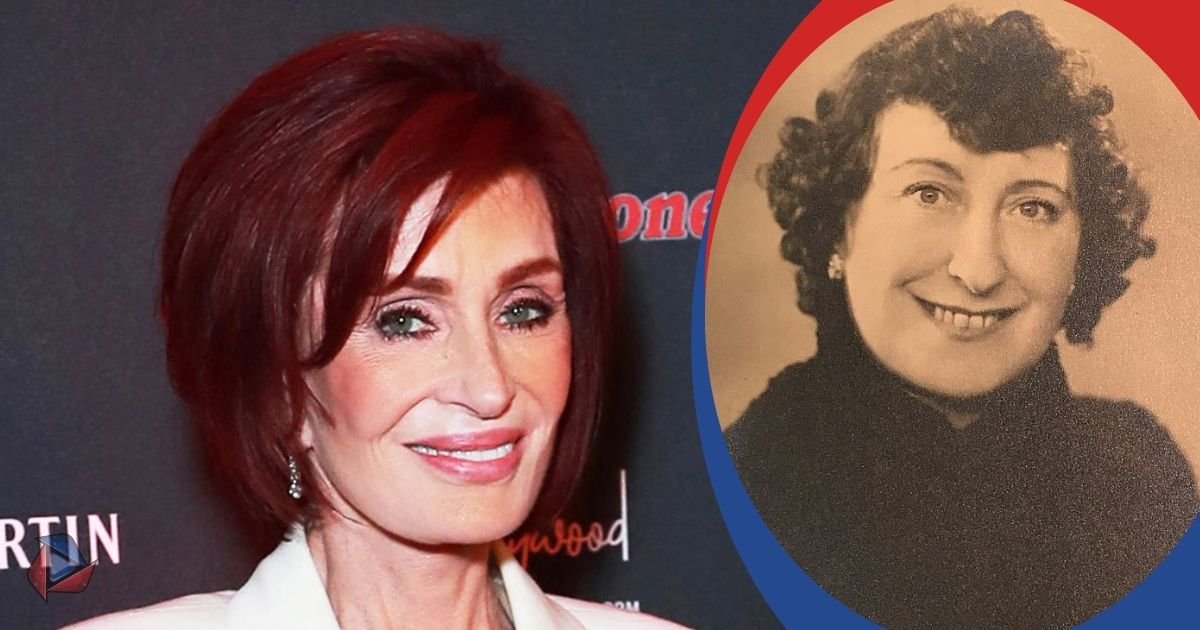
Hope Shaw lived a life filled with art, hardship, and emotional distance. Her story is not simple, but it is very human. She was a trained ballet dancer, a dance teacher, a mother, a wife, and a woman shaped by her past in ways even she may not have fully understood. When people hear the name Hope Shaw, they often think of her role as Sharon Osbourne’s mother. But there is so much more behind her life than that single title.
Hope Shaw grew up in a world where money was short, opportunities were rare, and family troubles followed her from a young age. So Lets Learn More About her.
Profile Summary: Hope Shaw
| Category | Details |
|---|---|
| Full Name | Hope Mary Shaw (later Hope Levy / Hope Arden) |
| Date of Birth | 12 April 1916 |
| Place of Birth | Chorlton-upon-Medlock, Manchester, England |
| Date of Death | December 1999 |
| Age at Death | 83 years old |
| Height | Not publicly recorded; known for a slim dancer’s build |
| Weight | Not publicly recorded |
| Nationality | British |
| Ethnicity | English and Irish heritage |
| Religion | Christian background (Anglican), married into Jewish family |
| Profession | Ballet dancer and dance teacher |
| Early Life | Grew up in poverty; arrested at age 12 during a shoplifting incident caused by hardship |
| Parents | Arthur James Shaw and Doris “Dolly” Almgill |
| Siblings | At least one sister (name not publicly recorded) |
| First Marriage | Richard Edward Tubb (married 1936) |
| Second Marriage | Don Arden (born Harry Levy), married 1950 |
| Children | Sharon Osbourne and David Arden |
| Grandchildren | Aimee, Kelly, and Jack Osbourne |
| Great-Grandchildren | Pearl, Andy Rose, Minnie, Maple, and Sidney |
| Known For | Mother of Sharon Osbourne; story revealed through Extreme and BBC’s Who Do You Think You Are? |
| Net Worth | Not publicly recorded; lived within Don Arden’s wealth during peak years |
Her Early Life
Hope Shaw was born on 12 April 1916 in Manchester, England. Her home was not an easy one. Her father, Arthur James Shaw, worked in the music hall world, and her mother, Doris “Dolly” Almgill, was a dancer and choreographer. So from the start, Hope Shaw was surrounded by music, movement, and the stage. But at the same time, her family faced poverty and instability. Her parents separated, which made life even harder for her mother, who struggled to support her children.
One of the most painful moments in the early life of Hope Shaw happened when she was only twelve years old. She and her mother were arrested for stealing stockings and small items. This was not an act of crime for selfish reasons. It was an act of survival. They had no money, and they were desperate. During the arrest, young Hope even told the police she would take all the blame if they let her mother go.
As a child, Hope also grew up around relatives who performed in music halls and stage shows. Her mother had even worked with an act called The Houston Trio, along with Hope’s great-aunt Ira.
Hope Shaw’s Ballet Career & Dreams
As she grew older, Hope Shaw trained as a ballet dancer. This was a bright area in her life. Ballet gave her structure, discipline, and a sense of identity. She was known for her grace, her control, and her dedication to the art. She later became a dance teacher as well, sharing her skills with others. Many people who knew her in her youth remembered her as talented, elegant, and serious about her craft.
Hope Shaw’s early ballet years show the strong contrast between her artistic world and her personal world. On one side, she had the chance to step into a place of beauty through dance. On the other side, her home life was unstable, and her responsibilities were heavy. Ballet became not only her career but also a way to escape her struggles. Her creative side stayed with her even after she left the stage, and it remained an important part of who she was.
Some records even list Hope Shaw in small film-related credits later in life, such as Carlito’s Way, Apollo 13, and Bringing Out the Dead. These listings do not mean she became a Hollywood figure, but they do show how her name continued to appear in artistic spaces over time.
Her Two Marriages: Richard Edward Tubb and Don Arden
The personal life of Hope Shaw changed greatly when she entered marriage. Her first marriage was in May 1936, when she married a man named Richard Edward Tubb in Brixton. They lived in Lambeth for a short time, but this marriage did not last. There are few public details about the end of it, but by the early 1950s, Hope Shaw was ready for a new chapter.
Her second marriage is the one most people remember. In April 1950, she married Don Arden, a man who would later become one of the most controversial music managers in Britain. What makes this story even more interesting is how they met. Don rented a room at her theatrical boarding house in Brixton. Only six weeks later, they were married. It was fast, surprising, and life-changing.
This marriage brought major changes for Hope Shaw. Don Arden was known for his tough personality and sometimes frightening business methods. People in the music world called him the “Yiddish Godfather”, “Al Capone of Pop,” and even the “English Godfather.” Living with someone like him meant Hope’s home life was intense, loud, and full of stress. She left her ballet career to care for their children, and the artistic calm she once knew was replaced by the pressure of being the wife of a powerful and often volatile man.
Hope Shaw’s Family & Children
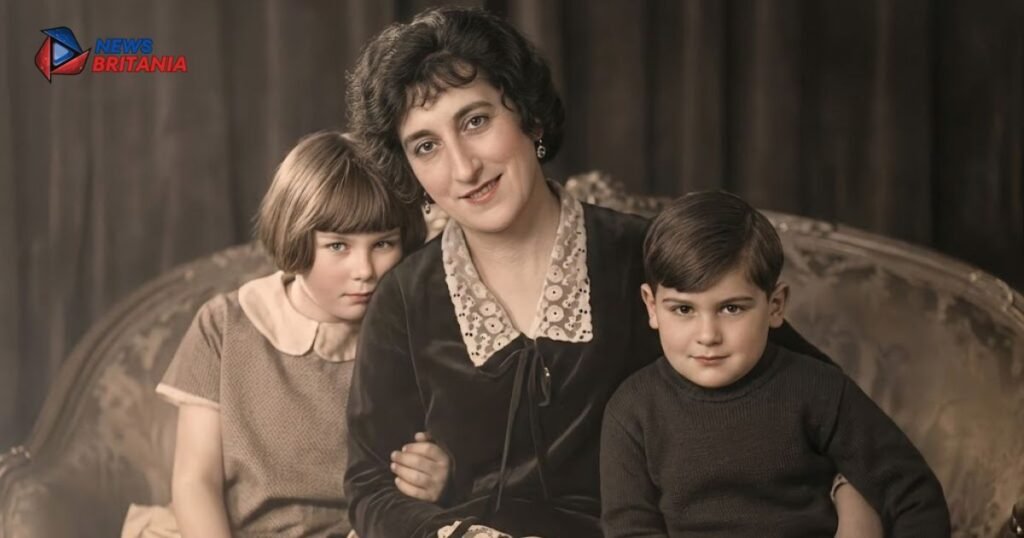
Hope Shaw became a mother in 1952 when Sharon Rachel Levy (later Sharon Osbourne) was born. A year later, in 1953, she gave birth to David Arden. From the outside, it may have looked like a normal family life. But inside the home, things were far from calm. Don Arden’s work brought both money and chaos. His temper, his business fights, and his famous clashes with people in the music world all added tension to the household.
Because of this, Hope Shaw slowly changed. At one point, she was involved in a serious car accident, which had a deep effect on her mental state. Sharon later described her mother as becoming “strange,” “cold,” and “unhinged” after this incident.
Hope Shaw & Sharon Osbourne Bond
The bond between Hope Shaw and her daughter Sharon was never warm. Sharon has said many times that her mother felt cold and unreachable. She said there was no real friendship between them, only basic care. This emotional wall made childhood very hard for her. Sharon often wondered why her mother acted this way, and she struggled to understand the reasons behind it.
There were moments in their relationship that left deep marks. One of the most painful was when Sharon became pregnant at seventeen. Instead of support, she felt pressured by her mother to end the pregnancy. Sharon later said this choice became one of the biggest regrets of her life. Another painful moment came years later when she visited her parents. Hope Shaw’s dogs attacked her while she was pregnant, and Sharon believed that the lack of help from her mother played a part in her losing the baby. These moments shaped Sharon’s view of her mother forever.
As Sharon grew older, the distance between them only got wider. By the time Hope Shaw passed away, the two had almost no contact. When Sharon received the news, she gave a short and cold response. But with time, Sharon started to understand more about her mother’s past. When she learned about Hope’s childhood hardship and her 1929 arrest for stealing stockings, Sharon began to see the reasons behind her mother’s cold and distant nature.
A Look Into Hope Shaw’s Past
In 2019, Sharon appeared on the BBC show Who Do You Think You Are?. This show helped her uncover hidden parts of her mother’s life. Sharon saw old records and learned how much pain and pressure her mother carried as a young girl. When she saw a childhood photo of Hope, she said her heart broke. For the first time, she felt true empathy for her mother.
Sharon learned that Hope grew up in extreme poverty, and her mother Dolly struggled to care for the family. When twelve-year-old Hope stole stockings, it was not because she was a bad person. It was because she had no other choice. She was trying to protect her mother and help her family survive. Understanding this made Sharon realize that the cold behavior she saw in her mother was shaped by trauma, fear, and a lifetime of emotional wounds.
Her Life With Don Arden
Living with Don Arden was not easy for Hope Shaw. Don was known for his strong personality and aggressive style in the music industry. He worked with big rock bands and managed them with tough rules and fierce loyalty. People called him the “Al Capone of Pop” and the “Yiddish Godfather.” These names show the kind of man he was — powerful, feared, and very hard to live with.
The pressure of being married to someone like this made life stressful for Hope. Their home was filled with arguments, loud moments, and business drama. Don’s work followed him into the house, and it affected everyone in the family. Hope, who once found peace in ballet, now lived in a world of constant pressure. This stress, along with her car accident, changed her personality over time. She became more withdrawn, less warm, and harder to reach.
Hope Shaw’s Later Life & Death
In her final years, Hope Shaw lived a quiet life in Surrey, England. She stayed away from the public and kept her private life hidden. Her health declined over time, and she battled serious illness. Records show that she passed away in 1999 at the age of 83. Some family notes say she died from lung cancer, but the exact details are not widely shared.
Her death did not bring dramatic moments or grand events. It was simple and private, just like the later years of her life. When the news reached Sharon, she reacted with little emotion. Their relationship had been strained for too long. But years later, after learning the full truth about Hope’s childhood and pain, Sharon said she finally understood her mother and even forgave her.
Meet Sharon Osbourne
To understand the lasting impact of Hope Shaw, it is important to look at her daughter, Sharon Osbourne. Sharon was born in 1952 and later became one of the most famous women in British and American entertainment. She married Ozzy Osbourne in 1982 and helped rebuild his career after he left Black Sabbath. She also created Ozzfest in 1996 and became known worldwide through The Osbournes, The X Factor UK, America’s Got Talent, and many other shows.
Sharon’s childhood shaped her strong personality. Growing up with Hope and Don taught her how to survive chaos, handle pressure, and take control of her own life. While her relationship with Hope Shaw was painful, it also helped Sharon understand the importance of emotional honesty and personal strength. Sharon often says that her mother’s story reminds her why she must never hide from the truth of her own past.
Through her children — Aimee, Kelly, and Jack — and her grandchildren, Sharon carries forward a new family story.
Final Thoughts
The story of Hope Shaw is a reminder that behind every distant or difficult person, there is often a hidden world of pain, fear, and survival. She grew up in poverty, She carried heavy responsibilities at a young age. She never fully healed from her childhood, her marriage stress, or the emotional wounds that shaped her life.
But she also left behind a legacy of strength, talent, and history. Through Sharon Osbourne, the story of Hope Shaw continues to be told.
FAQs
1. How old was Hope Shaw when she passed away?
Hope Shaw died in December 1999 at the age of 83. She lived her final years quietly in Surrey, England.
2. What was Hope Shaw’s height and physical appearance?
Her exact height was never recorded publicly, but she was known for her slim, graceful dancer’s build, shaped by years of ballet training.
3. Who were the parents of Hope Shaw?
Her parents were Arthur James Shaw, a music hall performer, and Doris “Dolly” Almgill, a dancer and choreographer of Irish descent.
4. What was the relationship between Hope Shaw and Sharon Osbourne?
Their relationship was emotionally distant and often strained. Sharon later understood this after learning about her mother’s poverty and trauma as a child.
5. What was Hope Shaw’s profession and net worth?
She worked as a ballet dancer and dance teacher. Her personal net worth was never documented, but she lived within the financial world built by her husband, music manager Don Arden.
Other Articles:
Who Is Emma Nesper? All About the Life of Anders Holm’s Wife
Who Is Manzie Tio Allen? All You Need to Know About Woody Allen’s Daughter
Who Is Davon Wade? All About the Life of Devin Booker’s Older Brother

Seeking help for substance use can feel overwhelming, but finding the right care is an important first step toward recovery. If you or someone you care about is looking for Drug & Alcohol Rehab in West Palm Beach, FL, understanding the available treatment options can make the decision process easier. From medical detox and residential care to outpatient programs and long-term recovery support, West Palm Beach offers a range of evidence-based services designed to meet different needs.
This guide explains what Addiction Treatment in West Palm Beach, FL typically includes, how to choose a treatment program, and what to expect throughout the recovery journey.
Understanding Addiction Treatment
Addiction is a chronic medical condition that affects the brain and behavior. It can involve alcohol, prescription medications, opioids, stimulants, or other substances. Effective treatment addresses both the physical and psychological aspects of substance use while helping individuals develop healthier coping strategies.
Many treatment programs combine medical care, behavioral therapy, counseling, and ongoing recovery support. The right approach depends on factors such as the substance involved, the severity of the addiction, medical history, and any co-occurring mental health conditions.
Why Choose Drug & Alcohol Rehab in West Palm Beach, FL?
Drug & Alcohol Rehab in West Palm Beach, FL offers access to a variety of treatment settings and experienced healthcare professionals. The area is home to licensed treatment providers that offer individualized care plans based on each person’s needs.
Benefits may include:
- Comprehensive medical and clinical assessments
- Individualized treatment plans
- Evidence-based therapies
- Medical detox services when appropriate
- Family counseling and education
- Relapse prevention planning
- Aftercare and recovery support
Many people also appreciate the opportunity to focus on recovery in a structured environment while remaining connected to local resources and support networks.
Types of Addiction Treatment in West Palm Beach, FL
Treatment is not one-size-fits-all. Depending on your circumstances, a provider may recommend one or more levels of care.
Medical Detox
Detoxification helps individuals safely manage withdrawal symptoms under medical supervision. This may be recommended for substances such as alcohol, opioids, or benzodiazepines, where withdrawal can be uncomfortable or, in some cases, medically serious.
Detox is often the first step before transitioning into ongoing treatment.
Inpatient Rehabilitation
Residential or inpatient rehab provides 24-hour care in a structured setting. Patients participate in therapy, educational sessions, medical care, and recovery-focused activities while living at the facility.
Inpatient treatment may be appropriate for individuals with severe substance use disorders or those who need a highly supportive environment.
Outpatient Treatment
Outpatient programs allow individuals to receive treatment while continuing many of their daily responsibilities. Depending on clinical recommendations, services may include:
- Individual counseling
- Group therapy
- Family therapy
- Medication management
- Relapse prevention education
Some people begin treatment as outpatients, while others transition to outpatient care after completing residential treatment.
Dual Diagnosis Treatment
Many people living with substance use disorders also experience mental health conditions such as anxiety, depression, bipolar disorder, or PTSD.
Dual diagnosis treatment addresses both conditions simultaneously, which may improve overall treatment outcomes when clinically appropriate.
Therapies Commonly Used in Drug & Alcohol Rehab in West Palm Beach, FL
Evidence-based therapies are central to many treatment programs. Depending on individual needs, these may include:
- Cognitive Behavioral Therapy (CBT)
- Dialectical Behavior Therapy (DBT)
- Motivational Interviewing (MI)
- Family therapy
- Group counseling
- Trauma-informed therapy
- Medication-Assisted Treatment (MAT), when appropriate for opioid or alcohol use disorders
Treatment plans are typically developed after a clinical assessment and may evolve as recovery progresses.
What to Expect During the Treatment Process
Although every treatment program differs, the recovery journey often includes several stages.
Initial Assessment
A healthcare professional gathers information about medical history, substance use, mental health, and personal goals to recommend an appropriate level of care.
Personalized Treatment Plan
Based on the assessment, the care team develops an individualized plan that may include therapy, medical services, family involvement, and recovery support.
Active Treatment
Individuals participate in counseling, behavioral therapies, educational sessions, and wellness activities designed to build recovery skills.
Aftercare Planning
Recovery continues after formal treatment ends. Aftercare may include:
- Outpatient counseling
- Peer support groups
- Alumni programs
- Sober living, when appropriate
- Relapse prevention planning
- Ongoing medical or mental health care
Does Insurance Cover Addiction Treatment?
Many insurance plans provide coverage for substance use disorder treatment, although benefits vary by policy and provider. Coverage may include services such as detox, inpatient rehabilitation, outpatient treatment, and behavioral therapy.
Before beginning treatment, it’s helpful to verify:
- Accepted insurance plans
- Covered services
- Deductibles and copays
- Prior authorization requirements
- Out-of-pocket costs
A treatment center’s admissions team can often assist with insurance verification.
How to Choose the Right Drug & Alcohol Rehab in West Palm Beach, FL
Selecting a treatment provider is an important decision. Consider asking questions such as:
- Is the program licensed and accredited?
- What levels of care are available?
- Are treatment plans individualized?
- Does the program offer evidence-based therapies?
- Are medical and mental health services available?
- What aftercare services are provided?
- Does the program accept your insurance?
Choosing a provider that matches your clinical needs and personal circumstances can support long-term recovery.
Supporting Long-Term Recovery
Recovery extends beyond completing a treatment program. Maintaining progress often involves ongoing support, healthy routines, and continued engagement with recovery resources.
Long-term recovery strategies may include:
- Continuing therapy
- Attending peer support meetings
- Building healthy relationships
- Managing stress through wellness activities
- Following a relapse prevention plan
- Staying connected with healthcare providers
Each person’s recovery journey is unique, and ongoing support can play an important role over time.
Frequently Asked Questions
How long does addiction treatment typically last?
The length of treatment varies based on individual needs, the type of program, and clinical recommendations. Some outpatient programs last several weeks, while residential treatment and continuing care may extend for several months.
Is detox the same as rehab?
No. Detox focuses on safely managing withdrawal symptoms and is often the first phase of treatment. Rehabilitation includes therapy, counseling, education, and recovery planning aimed at addressing the underlying causes of substance use.
Can family members participate in treatment?
Many programs offer family education or family therapy to help strengthen communication and support recovery, when appropriate and with the individual’s consent.
What substances are commonly treated?
Programs may provide care for alcohol, opioids, prescription medications, cocaine, methamphetamine, marijuana, and other substances. Treatment recommendations depend on an individual’s clinical assessment.
Conclusion
Finding the right Drug & Alcohol Rehab in West Palm Beach, FL can be an important step toward addressing substance use and building a healthier future. With options ranging from medical detox and residential care to outpatient services and ongoing recovery support, individuals have access to a variety of evidence-based approaches designed to meet different needs.
If you are exploring Addiction Treatment in West Palm Beach, FL, consider speaking with a qualified healthcare professional or licensed treatment provider to discuss available options and determine the level of care that best fits your circumstances. Early evaluation and appropriate treatment can help individuals begin the recovery process with informed support.

Addiction is a complex health condition that can affect a person’s physical health, emotional well-being, relationships, career, and quality of life. If you or someone close to you is struggling with substance use, seeking professional help is an important step toward recovery. Understanding your treatment options can make the process less overwhelming and help you choose the care that best fits your needs.
If you’re exploring Drug & Alcohol Treatment in Palm Beach Gardens, this guide explains the different types of treatment, what to expect during recovery, and how to choose a program that aligns with your individual circumstances. Many people also compare local services with a Drug rehab West Palm Beach program to find the right level of care and support.
What Is Drug & Alcohol Treatment in Palm Beach Gardens?
Drug & Alcohol Treatment in Palm Beach Gardens refers to professional services designed to help individuals recover from substance use disorders through medical care, counseling, behavioral therapies, and ongoing recovery support. Treatment plans are typically personalized based on a clinical assessment, recognizing that each person’s experience with addiction is different.
Depending on individual needs, Drug & Alcohol Treatment in Palm Beach Gardens may include detoxification, residential rehabilitation, outpatient care, medication-assisted treatment (when appropriate), and aftercare planning.
Signs That Professional Treatment May Be Needed
Substance use can develop gradually, making it difficult to recognize when professional help is appropriate. While only a qualified healthcare provider can diagnose a substance use disorder, some common signs include:
- Difficulty controlling drug or alcohol use
- Spending significant time obtaining, using, or recovering from substances
- Neglecting work, school, or family responsibilities
- Continuing substance use despite negative consequences
- Developing tolerance or experiencing withdrawal symptoms
- Losing interest in hobbies and activities once enjoyed
If these signs are present, an evaluation by a qualified healthcare professional can help determine whether Drug & Alcohol Treatment in Palm Beach Gardens is appropriate.
Types of Drug & Alcohol Treatment in Palm Beach Gardens
Treatment providers often offer different levels of care based on the severity of addiction, medical needs, and recovery goals.
Medical Detox
Medical detox is often the first step for individuals who may experience withdrawal symptoms when stopping certain substances. During detox, medical professionals monitor patients, help manage withdrawal symptoms, and provide supportive care.
Detox alone is generally not considered comprehensive addiction treatment. It is often followed by therapy and continued rehabilitation.
Inpatient Rehabilitation
Inpatient rehabilitation provides 24-hour structured care in a residential setting. Individuals live at the treatment center while participating in therapy, educational sessions, and recovery-focused activities.
This level of care may be recommended for people with:
- Severe substance use disorders
- Previous relapses
- Co-occurring mental health conditions
- Limited support at home
Many Drug & Alcohol Treatment in Palm Beach Gardens programs offer residential care as part of a comprehensive recovery plan.
Outpatient Treatment
Outpatient treatment allows individuals to receive therapy and support while continuing to live at home. This option may be appropriate for people with stable living environments and clinical needs that do not require residential care.
Services often include:
- Individual counseling
- Group therapy
- Family counseling
- Relapse prevention education
- Recovery planning
Intensive Outpatient Programs (IOP)
An Intensive Outpatient Program (IOP) provides a higher level of support than traditional outpatient care. Participants attend multiple therapy sessions each week while maintaining work, school, or family responsibilities when appropriate.
Therapies Used in Drug & Alcohol Treatment in Palm Beach Gardens
Effective addiction treatment often combines multiple evidence-based approaches. The therapies recommended depend on each individual’s assessment and treatment plan.
Common therapies include:
- Cognitive Behavioral Therapy (CBT)
- Motivational Interviewing (MI)
- Dialectical Behavior Therapy (DBT)
- Individual counseling
- Group therapy
- Family therapy
- Relapse prevention planning
- Psychoeducation
Some providers may also include complementary services such as mindfulness practices, nutrition counseling, fitness programs, or recreational activities as part of a broader recovery plan.
Dual Diagnosis Treatment
Many people receiving Drug & Alcohol Treatment in Palm Beach Gardens also experience mental health conditions such as anxiety, depression, bipolar disorder, or post-traumatic stress disorder (PTSD).
When substance use and mental health conditions occur together, integrated treatment—often called dual diagnosis treatment—addresses both conditions at the same time. This coordinated approach may improve continuity of care for individuals with co-occurring disorders.
Drug Rehab West Palm Beach: Exploring Nearby Treatment Options
People searching for addiction services often compare Drug & Alcohol Treatment in Palm Beach Gardens with a Drug rehab West Palm Beach program. Since both communities are located within Palm Beach County, individuals may have access to a variety of treatment options based on their clinical needs and personal preferences.
A Drug rehab West Palm Beach provider may offer services such as:
- Medical detox
- Residential rehabilitation
- Partial hospitalization programs (PHP)
- Intensive outpatient programs (IOP)
- Standard outpatient treatment
- Medication-assisted treatment (MAT), when clinically appropriate
- Aftercare and relapse prevention planning
When comparing programs, consider the services offered, the qualifications of the treatment team, insurance acceptance, and the availability of ongoing recovery support.
How to Choose the Right Drug Rehab West Palm Beach Program
Choosing an addiction treatment program involves more than selecting the closest facility. Asking informed questions can help you understand whether a program matches your needs.
Consider the following factors:
- Is the treatment center licensed and accredited?
- What levels of care are available?
- Are evidence-based therapies used?
- Does the program provide dual diagnosis treatment?
- What aftercare services are offered?
- Does the center accept your insurance?
- How are treatment plans personalized?
Whether you’re considering Drug & Alcohol Treatment in Palm Beach Gardens or a Drug rehab West Palm Beach program, a thorough assessment by qualified professionals can help determine the most appropriate level of care.
What to Expect During Treatment
Although every treatment center has its own approach, many recovery programs follow a similar process.
Initial Assessment
Treatment typically begins with a comprehensive evaluation of medical history, substance use, mental health, and recovery goals.
Personalized Treatment Plan
Based on the assessment, the clinical team develops an individualized plan that outlines recommended therapies, treatment goals, and the appropriate level of care.
Active Participation
Clients participate in counseling sessions, group discussions, educational workshops, and recovery-focused activities throughout treatment.
Aftercare Planning
As treatment progresses, providers work with individuals to develop strategies for maintaining recovery after completing the program. This may include continued counseling, support groups, or other community-based resources.
The Role of Family in Recovery
Addiction affects not only the individual but also family members and loved ones. Many Drug & Alcohol Treatment in Palm Beach Gardens programs encourage family participation when appropriate and with the individual’s consent.
Family involvement may include:
- Educational sessions
- Family counseling
- Communication skills development
- Recovery planning
Supportive family relationships can play an important role in long-term recovery for some individuals.
Recovery Doesn’t End After Rehab
Recovery is an ongoing process that often continues after formal treatment has ended. Many people benefit from continued support to help maintain healthy routines and manage challenges over time.
Aftercare options may include:
- Outpatient counseling
- Peer support groups
- Recovery coaching
- Alumni programs
- Sober living environments
- Regular follow-up with healthcare providers
Whether treatment begins with Drug & Alcohol Treatment in Palm Beach Gardens or a Drug rehab West Palm Beach program, ongoing support is often an important part of long-term recovery.
Frequently Asked Questions
How long does Drug & Alcohol Treatment in Palm Beach Gardens last?
The length of treatment varies depending on individual needs, the level of care, and clinical recommendations. A healthcare professional can recommend an appropriate treatment duration following an assessment.
Is Drug rehab West Palm Beach covered by insurance?
Many insurance plans offer coverage for substance use disorder treatment. Coverage varies by provider and policy, so it’s important to verify benefits directly with your insurance company or the treatment center.
What’s the difference between detox and rehabilitation?
Detox focuses on managing withdrawal symptoms under medical supervision when appropriate, while rehabilitation addresses the behavioral, emotional, and psychological aspects of addiction through therapy and ongoing treatment.
Can outpatient treatment be effective?
For individuals whose clinical needs are appropriate for outpatient care, evidence-based outpatient treatment can be an effective option when combined with consistent participation and follow-up support.
Conclusion
Finding the right addiction treatment program is an important decision, and understanding your options is the first step. Drug & Alcohol Treatment in Palm Beach Gardens offers a range of services that may include detox, residential care, outpatient treatment, behavioral therapies, and aftercare planning based on each person’s individual needs.
Many people also explore a Drug rehab West Palm Beach program to compare available services and levels of care within Palm Beach County. Regardless of where treatment begins, seeking guidance from qualified healthcare professionals can help determine the most appropriate path forward and support informed decisions about recovery.
Addiction can affect every part of a person’s life, including physical health, mental wellbeing, relationships, work, and finances. Whether someone is living with alcohol dependence, drug addiction, or prescription medication misuse, seeking professional support is an important step toward recovery. If you are exploring addiction treatment in Plymouth, understanding your options can help you make an informed decision about the next stage of care.
Modern treatment focuses on more than helping people stop using substances. Effective programmes also address the emotional, psychological, and social factors that contribute to addiction. This is why Addiction & Mental Health Treatment is an important part of long-term recovery, especially for individuals experiencing conditions such as anxiety, depression, trauma, or other mental health concerns alongside substance use.
Understanding Addiction
Addiction is a complex health condition rather than a lack of willpower. It changes how the brain processes reward, motivation, and decision-making, making it difficult for individuals to stop using substances without appropriate support.
Common signs of addiction may include:
- Loss of control over alcohol or drug use
- Increased tolerance and withdrawal symptoms
- Neglecting responsibilities at home, work, or school
- Continuing to use substances despite negative consequences
- Relationship difficulties caused by substance use
- Spending significant time obtaining, using, or recovering from substances
Recognising these signs early can make treatment more effective and reduce the risk of long-term health complications.
What Does Addiction Treatment in Plymouth Involve?
Addiction treatment in Plymouth typically combines medical care, psychological therapies, education, and ongoing recovery support. Treatment plans are tailored to each individual’s circumstances, taking into account their physical health, mental wellbeing, substance use history, and recovery goals.
Depending on clinical needs, treatment may include:
- Comprehensive assessment
- Medically supervised detoxification where appropriate
- Individual counselling
- Cognitive Behavioural Therapy (CBT)
- Group therapy
- Family support and counselling
- Relapse prevention planning
- Aftercare services
The combination of treatments varies based on each person’s needs and should be determined by qualified healthcare professionals.
The Importance of Addiction & Mental Health Treatment
Many people experiencing addiction also have a co-occurring mental health condition. Anxiety, depression, post-traumatic stress disorder (PTSD), bipolar disorder, and other conditions may contribute to substance use or become more difficult to manage because of it.
Integrated Addiction & Mental Health Treatment aims to address both issues together rather than treating them separately. This approach can improve engagement with treatment and support more sustainable recovery.
Integrated care may include:
- Mental health assessments
- Psychological therapies
- Medication management when clinically appropriate
- Stress management techniques
- Emotional regulation strategies
- Ongoing monitoring and support
Addressing both addiction and mental health needs together helps create a more comprehensive recovery plan.
Detox: The First Step for Some People
For certain substances, withdrawal symptoms can be uncomfortable or, in some cases, medically serious. Detoxification may be recommended before starting longer-term rehabilitation or therapy.
Medical detox can provide:
- Clinical monitoring
- Medication to help manage withdrawal symptoms where appropriate
- Emotional support
- Safer management of the withdrawal process
Not everyone requires detox. The need for detox depends on the type of substance used, the duration of use, and individual health factors. A healthcare professional can assess whether detox is appropriate.
Inpatient and Outpatient Treatment Options
People seeking addiction treatment in Plymouth may have different levels of care available depending on their circumstances.
Inpatient Treatment
Residential or inpatient treatment involves staying at a treatment facility while receiving structured support. This option may benefit individuals with more severe addictions or those who need a stable environment away from everyday triggers.
Potential benefits include:
- 24-hour support
- Structured daily routines
- Access to multiple therapies
- Peer support
- Reduced exposure to environmental triggers
Outpatient Treatment
- Outpatient programmes allow individuals to receive treatment while continuing to live at home. Sessions may include counselling, therapy, and regular appointments with healthcare professionals.
- Outpatient treatment may be suitable for individuals with stable living environments and lower support needs, though the most appropriate option depends on an individual clinical assessment.
Therapies Used During Recovery
Evidence-based therapies form an important part of addiction treatment.
Common therapeutic approaches include:
Cognitive Behavioural Therapy (CBT)
CBT helps individuals recognise and change patterns of thinking and behaviour that contribute to substance use.
Motivational Interviewing
This approach supports individuals in exploring their reasons for change and strengthening motivation for recovery.
Group Therapy
Group sessions provide opportunities to share experiences, develop coping skills, and build supportive relationships with others in recovery.
Family Therapy
Addiction often affects family members as well. Family therapy can improve communication, strengthen relationships, and help families understand the recovery process.
Life After Treatment
Recovery continues after a structured treatment programme ends. Ongoing support can play an important role in maintaining progress and reducing the risk of relapse.
Aftercare may include:
- Continued counselling
- Peer support groups
- Recovery coaching
- Relapse prevention planning
- Mental health support
- Healthy lifestyle planning
Developing long-term coping strategies and maintaining regular support can help individuals navigate challenges during recovery.
Choosing the Right Addiction Treatment in Plymouth
When comparing treatment providers, consider factors such as:
- Professional qualifications and experience
- Evidence-based treatment approaches
- Individualised care plans
- Mental health support
- Family involvement where appropriate
- Aftercare and ongoing recovery services
- Clear information about treatment options and costs
Choosing a provider that offers comprehensive Addiction & Mental Health Treatment may be particularly valuable for individuals experiencing both substance use and mental health concerns.
Frequently Asked Questions
How do I know if I need professional addiction treatment?
If substance use is affecting your health, relationships, work, finances, or daily life, speaking with a healthcare professional or addiction specialist can help determine the most appropriate level of support.
How long does addiction treatment take?
The length of treatment varies depending on individual needs, the substance involved, and the type of programme. Recovery is an ongoing process, and many people continue to benefit from support after completing a formal treatment programme.
Can addiction and mental health conditions be treated together?
Yes. Integrated Addiction & Mental Health Treatment is commonly recommended for individuals with co-occurring conditions, as addressing both at the same time can support better overall outcomes.
Is addiction treatment confidential?
Healthcare providers generally protect patient confidentiality in accordance with applicable laws and professional standards. If you have questions about privacy, ask the provider to explain their confidentiality policies.
Final Thoughts
Seeking addiction treatment in Plymouth is an important step for individuals looking to regain control of their health and wellbeing. Effective treatment combines medical care, evidence-based therapies, and ongoing support tailored to each person’s needs. For many people, addressing both substance use and mental wellbeing through integrated Addiction & Mental Health Treatment provides a more comprehensive path to recovery.
If you or someone you know is considering treatment, speaking with a qualified healthcare professional or addiction specialist is a good first step. They can assess your situation, discuss available options, and help identify the most appropriate course of care based on individual needs and circumstances.

Is a Hairline Topper Right for You? How to Tell If It’s a Good Fit

A Newcomer’s Guide to Living and Driving in Aldershot

What to Wear in Australia: Essentials Hoodies, T-Shirts, Shorts and Tracksuits
Who Is Shameera? All You Need To Know About Charli XCX’s Mother

Who Is Gulliver Flynn Oldman? The Untold Story of Sir Gary Oldman’s Son
Meet Rosemary Turner: The Mother of Actor Callum Turner
-
Biographies7 months ago
Who Is Shameera? All You Need To Know About Charli XCX’s Mother
-
Biographies6 months ago
Who Is Gulliver Flynn Oldman? The Untold Story of Sir Gary Oldman’s Son
-
Biographies7 months ago
Meet Rosemary Turner: The Mother of Actor Callum Turner
-
 Biographies5 months ago
Who is Alexandra James? Inside The Life of Jeremy Clarkson’s Former Partner
-
 Biographies7 months ago
Who is Todd McRae? Meet Tate McRae’s Father
-
 Biographies6 months ago
Who Is Daniel Mara? The Untold Story of Kate Mara’s Private Sibling
-
 Celebrity7 months ago
Who Is Peter Hernandez? The Real Story of Bruno Mars’ Father
-
 Biographies7 months ago
Who Is Alvin Martin? All About the Whoopi Goldberg’s First Husband