
Life Style
The Art of Rest: A Luxury Retreat Experience Rooted in Play and Community


Rest Has Become a Luxury
Rest used to be simple. People took time off, slowed down, and recovered. Modern life changed that. Constant notifications, work pressure, and social obligations turned rest into something people have to schedule and defend.
Traditional luxury travel tried to solve this with expensive resorts, spa treatments, and curated wellness programs. But many travelers still return home feeling drained.
A new model is emerging. Luxury retreats are shifting toward play and community as core parts of rest, not just silence and isolation.
This shift changes how rest works.
Rest Works Better With Engagement, Not Isolation
Many wellness resorts focus on quiet spaces, meditation, and passive relaxation. That approach helps some people, but it often leaves others feeling disconnected.
The new retreat model adds structured play and social interaction.
Instead of only lying still or consuming services, guests participate in activities that require presence and engagement. These include group games, creative workshops, outdoor exploration, and collaborative experiences.
This combination creates a different kind of rest. The mind disengages from stress patterns because attention shifts toward simple, enjoyable actions.
Rest becomes active rather than passive.
Play Rebuilds Mental Energy
Adults rarely prioritize play. Most daily life revolves around responsibilities, deadlines, and digital tasks. Over time, this creates mental fatigue.
Luxury retreats rooted in play bring back that missing element.
Activities often include:
- Painting sessions
- Dance workshops
- Water sports
- Group cooking
- Nature walks
- Storytelling circles
- Light adventure challenges
- Creative crafting
These experiences are not about performance or competition. They focus on participation and enjoyment.
Play reduces mental rigidity. It breaks repetitive thinking patterns and increases emotional flexibility. When people engage in playful activities, stress levels drop and mood improves naturally.
This is one reason play-based retreats are replacing traditional passive luxury formats.
Community Creates Deeper Rest
Rest is not only physical. Emotional rest matters just as much.
Many people feel isolated even while traveling. Luxury hotels often provide privacy but little human connection. That can create emotional distance instead of restoration.
Community-based retreats solve this problem by designing shared experiences.
Guests eat together, join group activities, and participate in collaborative workshops. Conversations happen naturally without pressure or forced networking.
This creates a temporary sense of belonging.
Humans recover faster when they feel socially connected. Shared laughter, group movement, and collective experiences reduce stress more effectively than isolation alone.
For many travelers, this sense of community becomes the most meaningful part of the retreat.
Luxury Is Shifting From Excess to Experience
Luxury travel used to focus on exclusivity, privacy, and material comfort. High-end hotels competed on room size, amenities, and service levels.
Now luxury is shifting toward emotional quality.
Modern travelers value experiences that feel meaningful, not just expensive. A beautiful environment still matters, but emotional satisfaction has become the main measure of value.
Play-focused retreats reflect this shift. They combine comfort with engagement, nature with creativity, and structure with freedom.
Luxury is no longer about doing less. It is about feeling more.
Nature Enhances the Quality of Rest
Many of these retreats take place in natural environments. Forests, lakesides, mountains, and coastal areas provide a strong foundation for rest.
Nature reduces mental overload. It lowers stress hormones, improves sleep quality, and helps regulate attention.
When combined with play and community, natural environments become even more powerful. Simple experiences like walking outdoors, swimming in open water, or sitting around a fire create grounding moments that reset emotional energy.
This connection between nature and recovery is a core part of modern retreat design.
Structure Without Pressure
One key feature of these retreats is structured freedom.
Days are organized, but not rigid. Participants do not need to plan meals, activities, or logistics. At the same time, they are not forced into strict schedules or intense programs.
This balance reduces decision fatigue. People do not spend mental energy choosing what to do next. They simply participate, rest, or move between activities as they feel ready.
This structure allows the brain to relax without falling into boredom or overstimulation.
Emotional Safety Drives Deeper Relaxation
Another important aspect of these retreats is emotional safety.
Many luxury environments prioritize appearance and social status. That can create subtle pressure to perform or present oneself in a certain way.
Play and community-based retreats reduce that pressure. Comfortable clothing, informal interaction, and inclusive environments help participants feel accepted as they are.
When people feel emotionally safe, they relax more deeply. Stress decreases faster, and recovery becomes more complete.
Rest Becomes a Shared Experience
Traditional rest often happens alone. People isolate themselves to recover from stress.
The new model treats rest as something shared.
Group laughter, collective activities, and shared downtime create a rhythm of connection and rest together. This shared experience amplifies emotional recovery.
People do not just rest in the same space. They rest together through interaction, movement, and presence.
A New Definition of Luxury Rest
The art of rest is changing. Luxury is no longer defined by silence, isolation, or passive comfort alone.
Modern retreat experiences combine three elements:
- Play that restores mental energy
- Community that builds emotional connection
- Nature that supports physical and mental recovery
Together, these elements create a deeper form of rest that feels active, human, and sustainable.
For many travelers, especially those seeking balance from high-pressure lives, this approach represents the future of luxury wellness.
Rest is no longer about stepping away from life completely. It is about stepping into experiences that restore energy through joy, connection, and presence.


Amazon FBA remains one of the most reliable fulfillment channels for ecommerce brands. Getting inventory into Amazon’s network, however, is where most brands lose time and money.
The inbound leg, from a brand’s supplier or warehouse into an Amazon fulfillment center, is where delays accumulate. Placement fees pile up. Stock runs out mid-promotion because a shipment is still sitting in a check-in queue. Most brands accept this as a cost of selling on Amazon. The ones scaling fastest do not.
Middle mile logistics is the operational layer between a brand’s inventory and Amazon’s fulfillment centers. Getting it right is the difference between a brand that runs out of stock and one that keeps its IPI score healthy and its shelves full.
This article covers how Amazon middle mile logistics works, how it compares to Amazon’s own AWD program, and what brands should evaluate before choosing a provider.
What Middle Mile Logistics Actually Covers
The Gap Between Storage and FBA
What is middle mile logistics in the context of Amazon FBA? It is the transportation and handling layer that moves inventory from a brand’s storage point into Amazon’s fulfillment network. That storage point could be a supplier factory, a 3PL warehouse, or a regional distribution center.
Standard inbound shipping routes inventory directly from a supplier or warehouse into an Amazon FC using LTL or FTL freight. This works at low volumes. At scale, it creates problems: slow check-in times, placement fees from single-destination routing, and limited flexibility when Amazon’s network is congested.
How Middle Mile Changes the Equation
Middle mile logistics amazon solutions solve this by adding a purpose-built layer between the brand and Amazon. A middle mile amazon partner receives inventory, processes it to Amazon’s compliance standards, and routes it into multiple fulfillment centers simultaneously.
The multi-destination routing is where the cost and speed advantage comes from. Splitting a shipment across five Amazon FCs eliminates or significantly reduces placement fees. It also puts inventory closer to the customers who will buy it, which improves delivery speed and conversion rates on Amazon’s search results.
For brands building out their middle mile logistics FBA strategy, the key question is whether they are routing inventory efficiently or paying Amazon to fix their routing after the fact through placement fees.
Brands researching providers should review middle mile logistics for FBA sellers to understand what a purpose-built solution looks like versus a standard freight arrangement.
Amazon AWD vs Middle Mile Logistics
What AWD Offers
Amazon Warehousing and Distribution is Amazon’s own bulk storage and replenishment program. Inventory moves into AWD facilities and Amazon handles the replenishment into FBA automatically. For brands with simple SKU catalogs selling exclusively on Amazon, it removes some of the manual replenishment work.
AWD processes inventory on Amazon’s schedule, not the brand’s. Check-in times run 15 to 30 or more days under normal conditions. During Q4 2024, AWD infrastructure was overwhelmed and inventory froze. Brands could not get stock in or out. The program also restricts certain categories: meltables, big and bulky, jewelry, and CPG items are not supported.
Where Middle Mile Outperforms
The comparison between amazon awd vs middle mile logistics comes down to speed, flexibility, and cost across four areas.
Inbound speed is the most visible difference. A purpose-built amazon middle mile partner operates on a 2 to 4 day inbound timeline into Amazon FCs. AWD runs 15 to 30 or more days. For brands managing inventory turns and avoiding stockouts, that gap has a direct revenue impact.
Placement fees are the second area. AWD does not eliminate placement fees through routing logic. A middle mile provider using 5-way split routing sends inventory to multiple FCs simultaneously, which removes or significantly reduces placement fee exposure.
Category flexibility is the third. AWD restricts meltables, big and bulky, jewelry, and CPG. A third-party Amazon middle mile partner handles these categories without restriction.
Omnichannel support is the fourth. AWD is Amazon-only. A third-party middle mile operation supports replenishment into Amazon alongside Shopify, Walmart, TikTok Shop, and B2B channels from the same inventory pool.
What to Look For in a Middle Mile Partner
Routing Capability and Network Coverage
Middle mile logistics for Amazon FBA only delivers its full cost benefit when the provider has the network to execute multi-destination routing. A provider with a single distribution center cannot split shipments across five Amazon FCs efficiently. Network coverage across major Amazon FC clusters matters.
Processing speed at the distribution center also matters. Inventory that sits at a middle mile facility for five days before moving to Amazon has already lost part of the inbound speed advantage. Ask providers for their average dwell time between receipt and Amazon tender.
Technology and Visibility
Amazon middle mile operations at scale require real-time visibility. A brand sending weekly replenishments needs to know where each shipment is at every point: received at the distribution center, processed, tendered to the carrier, checked in at Amazon.
A provider without a technology layer that integrates directly with Amazon Seller Central adds manual work back into the process. Automated shipping plan creation, label generation, and real-time inbound tracking are operational requirements, not optional features, for brands running high-frequency replenishment cycles.
Conclusion
Inbound logistics into Amazon is where most brands leak money without realizing it. Placement fees, slow check-in times, and single-destination routing are problems with a known solution.
Middle mile logistics amazon infrastructure exists specifically to fix this. The brands using it effectively keep inventory turning faster, pay less in placement fees, and maintain the stock levels that protect their Amazon ranking. The choice between AWD and a third-party awd vs middle mile provider comes down to how much control a brand needs over inbound speed, category coverage, and channel flexibility.
Frequently Asked Questions
What is middle mile logistics?
Middle mile logistics moves inventory from a brand’s storage point into Amazon’s fulfillment centers. The provider receives stock, preps it to Amazon’s standards, and routes it across multiple FCs rather than shipping to a single destination.
How does middle mile logistics reduce placement fees?
Placement fees drop when inventory is split across multiple Amazon FCs at the point of inbound. Routing a single shipment to five destinations matches Amazon’s preferred distribution pattern, which removes or reduces the fee applied per unit.
What is the difference between AWD and middle mile logistics?
AWD runs on Amazon’s timeline, typically 15 to 30 days for check-in, with restrictions on categories like meltables and big and bulky. A third-party middle mile provider checks inventory into Amazon in 2 to 4 days with no category restrictions and supports other sales channels from the same stock.
Which brands benefit most from middle mile logistics?
Brands running regular FBA replenishments with multiple SKUs see the clearest benefit. It is especially useful for brands currently absorbing placement fees, dealing with slow check-in times, or losing sales to stockouts caused by inbound delays.
What should brands ask a middle mile partner before signing?
Start with average inbound speed into Amazon FCs and distribution center locations. Then ask how shipping plans are created, whether the provider integrates directly with Seller Central, and what the average dwell time is between receipt and Amazon tender.
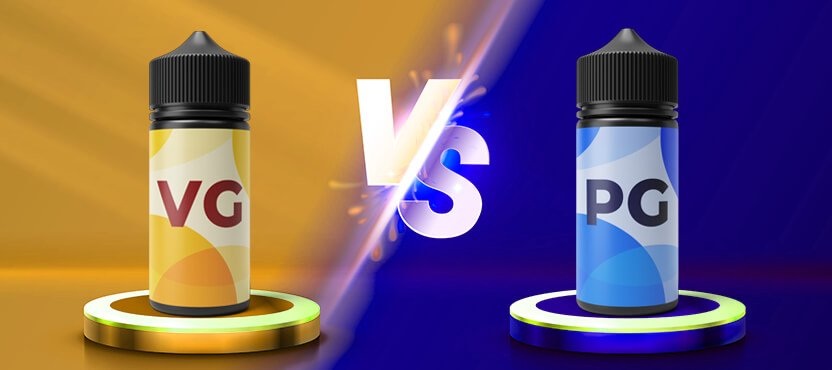
The fundamental chemistry of any high-quality vapour product relies on two primary carrier liquids that dictate the final sensation on the palate and the density of the clouds produced. When selecting your next setup, understanding the specific technical properties of iVG e-liquid UK formulations is essential for achieving a reliable and satisfying daily routine. The most common dilemma faced by adult consumers involves choosing between a balanced 50/50 ratio and a high-VG 70/30 blend. While the former is designed for discreet, flavour-focused sessions, the latter is engineered for maximum vapour volume and a silky smooth inhale. Identifying which ratio aligns with your specific hardware and personal preferences ensures that every puff remains consistent and free from technical interruptions.
Propylene Glycol (PG) and Vegetable Glycerin (VG) serve as the foundational building blocks for all modern recipes, each bringing distinct characteristics to the table. PG is a relatively thin, odourless liquid that acts as a highly efficient flavour carrier, providing that familiar sharp sensation at the back of the throat. VG, on the other hand, is a much thicker, slightly sweet substance responsible for producing the visible vapour clouds that many enthusiasts enjoy. The precise ratio of these two elements determines not only the taste and feel but also how effectively the liquid wicks through the internal heating elements of your device.
Is 50/50 or 70/30 better for iVG e-liquid UK?
Determining the superior ratio for iVG e-liquid UK usage depends entirely on the technical specifications of the hardware being utilised and the specific goals of the user. A 50/50 blend is widely considered the most versatile and beginner-friendly option because it provides a perfect equilibrium between flavour clarity, throat hit, and moderate vapour production. This balanced formulation is specifically designed to function flawlessly in low-powered pod systems and starter kits, where the internal heating coils have smaller wicking ports. Because the liquid is thinner, it can rapidly saturate the cotton, preventing the dry, burnt taste that often occurs when using an inappropriate viscosity.
Conversely, a 70/30 blend is the definitive choice for those who utilise high-powered sub-ohm devices and prioritising dense, room-filling clouds. The significantly higher VG content results in a much thicker, syrupy consistency that requires substantial thermal energy to vaporise effectively and cleanly. While this ratio slightly mutes the sharpness of the flavour compared to a balanced mix, it compensates by offering an exceptionally smooth, velvet-like inhale with minimal throat irritation. Sub-ohm tanks feature much larger wicking ports specifically built to handle this increased viscosity, allowing the liquid to flow steadily without flooding the internal chamber.
Understanding the Technical Role of Propylene Glycol
Propylene Glycol is the primary ingredient responsible for the physical “kick” that many former smokers find necessary for a successful transition away from combustible tobacco. In a balanced 50/50 formulation, the 50% PG content ensures that the intricate flavour notes of the recipe remain sharp, defined, and easily recognisable. This is particularly vital for complex fruit and menthol profiles where clarity is the absolute key to maintaining an enjoyable all-day experience. Furthermore, the low viscosity of PG allows for rapid wicking, which is essential when taking frequent, successive draws from a compact pod device.
Many adult users find that relying on reputable suppliers like Greyhaze provides them with the assurance that only pharmaceutical-grade ingredients are used in their daily liquids. When the ratio is correctly aligned with the device wattage, the PG acts as a bridge, delivering the nicotine and aroma with impressive efficiency. However, individuals with specific sensitivities may find high-PG blends slightly drying to the throat, which often prompts a move toward higher VG alternatives. Balancing these physical sensations is a personal journey that requires a basic understanding of how these chemical carriers interact with heat.
The Science Behind High Vegetable Glycerin
Vegetable Glycerin is a dense, vegetable-based liquid that brings body and texture to the vapour, making the inhalation process feel more substantial. In a 70/30 blend, the dominant VG content creates a naturally sweeter baseline that complements creamy, bakery, and rich dessert flavour profiles exceptionally well. The increased thickness means the liquid vaporises at a slower rate, producing a much thicker mist that lingers in the air longer than a balanced mix. This characteristic is highly valued by cloud chasers and hobbyists who enjoy the visual and tactile aspects of advanced sub-ohm setups.
Because VG is a thicker substance, it places significantly more demand on the heating element and the battery of the device being used. If this syrupy liquid is used in a low-powered pod kit, the coil will struggle to pull the juice through the wick fast enough, leading to premature coil failure. Properly matching a high-VG liquid with a low-resistance mesh coil allows for an expansive, warm tasting experience that coats the entire tongue. This synergy between liquid density and hardware power is the foundational secret to achieving peak performance in any high-end vaping setup.
Hardware Compatibility and VG/PG Pairing
Matching your chosen formulation to the correct technical equipment is the most effective way to prevent leaking, spitting, and frustrating dry hits. The internal resistance of your coil, measured in ohms, is the primary indicator of which liquid ratio you should be using for your daily setup. Coils with a resistance of 1.0 ohm or higher are generally designed for thinner 50/50 liquids, as they operate at lower wattages and have smaller internal channels. Using a thick high-VG liquid in these devices is the most common cause of technical issues and a generally poor sensory experience.
For those using advanced kits with coils rated below 0.5 ohms, a 70/30 or even 80/20 ratio becomes the mandatory standard for operational success. These sub-ohm coils possess large wicking windows that allow the thicker liquid to enter the heating chamber at a rate that matches the high speed of vaporisation. By browsing through an extensive collection of IVG vape juice, users can easily identify which bottles are specifically formulated for their high-powered tanks. Correct pairing ensures that the liquid does not flood the coil, which would otherwise lead to hot juice spitting back into the user’s mouth.
Recommended Ratios for Pod Systems and Starter Kits
Pod systems have seen a massive surge in popularity due to their portability, ease of use, and the intense satisfaction provided by modern nicotine salt formulations. These devices are almost exclusively optimised for a 50/50 VG/PG ratio, ensuring that the flavour remains vibrant even at very low power settings. The thinner consistency allows the small heating elements to reach the correct temperature instantly, providing a crisp and satisfying draw every time. This discreet approach to vapour production is ideal for professional environments or public settings where massive clouds would be considered intrusive.
Transitioning smokers often prefer this balanced setup because it most closely replicates the physical sensation and draw resistance of a traditional cigarette. The sharp throat hit provided by the 50% PG content offers the sensory feedback necessary to curb nicotine cravings effectively and consistently. Many popular fruit and ice blends are developed specifically with this ratio in mind, ensuring that the cooling agents and sweet notes remain perfectly balanced. For anyone seeking a fuss-free, reliable, and flavour-first experience, a high-quality 50/50 liquid in a reliable pod kit is the gold standard.
Optimising Sub-Ohm Mods for High-VG Blends
High-powered box mods and sub-ohm tanks are the natural home for 70/30 shortfill bottles and other high-VG formulations. These setups allow for extensive customisation, including adjustable wattage and airflow controls that can be fine-tuned to highlight specific notes within a complex recipe. The increased airflow helps to cool the warm vapour produced by the high-VG liquid, preventing the inhale from feeling uncomfortably hot. This combination results in a remarkably smooth and immersive experience that is widely considered the peak of hobbyist vaping.
| Feature | 50/50 VG/PG Ratio | 70/30 VG/PG Ratio |
| Throat Hit | Noticeable and Sharp | Silky Smooth and Mild |
| Vapour Density | Discrete and Light | Thick and Voluminous |
| Flavour Clarity | Sharp and Defined | Sweet and Mellow |
| Best Device | Pod Kits & Starter Pens | Sub-Ohm Tanks & Mods |
| Wicking Speed | Rapid and Efficient | Slow and Sustained |
Utilising the information in this table allows users to quickly assess which formulation suits their current hardware and personal preferences. It is important to note that using a thin 50/50 liquid in a high-powered sub-ohm tank can lead to significant leaking issues. Because the liquid is so thin, it can pass through the large wicking ports too quickly, flooding the airflow base of the tank. Always check the manufacturer’s recommendations for your specific coil before filling your tank to ensure total operational integrity.
How VG/PG Ratios Affect Flavour Perception
The ratio of carrier liquids does more than just dictate cloud size; it fundamentally changes how the human palate perceives the added flavour concentrates. Propylene Glycol is a superior solvent, meaning it carries the molecules of the flavouring agents more effectively and delivers them to the taste buds with greater intensity. This is why 50/50 liquids often feel “sharper” and why delicate notes, such as citrus or floral hints, are much more noticeable in these blends. For users who prioritise the absolute purest expression of a specific fruit or mint profile, a balanced or high-PG ratio is usually the preferred choice.
Conversely, Vegetable Glycerin has a naturally sweet undertone that can slightly “mute” or soften the more aggressive notes in a recipe. In a 70/30 blend, this inherent sweetness works harmoniously with indulgent profiles like caramel, custard, or chocolate, making them taste richer and more well-rounded. The denser vapour also stays in the mouth slightly longer, allowing the heavier base notes of a complex dessert liquid to fully develop across the palate. This difference in perception is why certain recipes are released exclusively in high-VG formats, while others are kept for balanced 10ml bottles.
Frequently Asked Questions
Can I use 70/30 iVG e-liquid in a pod kit?
It is generally not recommended to use thick 70/30 liquids in a standard pod kit with high-resistance coils. The syrupy consistency of the liquid will struggle to wick fast enough, which almost inevitably leads to dry hits and a burnt coil within a very short period. Most pod systems are specifically optimised for 50/50 or 60/40 ratios to ensure consistent performance.
Does 50/50 liquid leak more than 70/30?
Because 50/50 liquid is significantly thinner than a 70/30 blend, it can potentially leak if used in a tank with very large wicking ports designed for high-VG juice. However, when used in the MTL pod kits and starter tanks they were intended for, leaking is rarely an issue. Proper hardware pairing is the most effective way to prevent any mess or wasted liquid.
Which ratio provides the best throat hit?
A 50/50 ratio provides a much more noticeable and satisfying throat hit compared to a 70/30 blend. The higher Propylene Glycol content carries the nicotine and flavourings with more “kick,” closely mimicking the sensation of smoking. Those who prefer a smoother, gentler inhalation should opt for higher VG ratios like 70/30 or 80/20.
Are iVG shortfills always 70/30?
Most premium shortfills, including those from iVG, are formulated as 70/30 high-VG liquids because they are intended for sub-ohm vaping. However, some manufacturers have begun releasing 50/50 shortfills to cater to pod users who want the economic benefits of larger bottles. Always check the label of your specific bottle to verify the ratio before mixing in your nicotine shots.
Why does my flavour taste muted in a 70/30 blend?
High-VG liquids naturally produce a smoother, sweeter vapour that can sometimes mask the sharper top notes of a flavour profile. Additionally, sub-ohm devices consume more liquid per puff, which can lead to “vaper’s tongue” or sensory fatigue if the same complex flavour is used continuously. Rotating your flavours or switching to a 50/50 blend in a different device can often restore flavour clarity.
Conclusion
Understanding the distinct roles of Propylene Glycol and Vegetable Glycerin is the most important step in mastering your personal vaping experience. Choosing between a balanced 50/50 iVG e-liquid UK formulation and a high-VG 70/30 alternative fundamentally determines the density of your clouds, the intensity of your flavour, and the physical sensation of your inhale. By strictly adhering to the technical requirements of your hardware and identifying your personal goals, whether they be discreet satisfaction or expansive cloud chasing, you can ensure a flawless and enjoyable daily routine. As a leading provider of premium vaping products and expert advice, Grey Haze is dedicated to helping every adult consumer find the perfect technical match for their lifestyle. Investing the time to understand these foundational ratios ultimately leads to a more cost-effective, satisfying, and reliable journey away from traditional smoking. Selecting the correct VG/PG balance is not merely a technicality; it is the definitive key to unlocking the full potential of your favourite premium flavours.


Modern-day consumers are unlikely to make a purchase based on a plain white-background product photo alone. These days people want context and emotion and a little imagination before they buy, or at least that’s what they tell marketers. And that’s why lifestyle product scenes have become such a dominant visual tool in the whole experience of ecommerce stores, social media ads, and brand campaigns. Instead of simply showing a coffee mug, brands show the mug next to a cozy blanket by a rainy window. The product is woven into a story, and stories sell better than specs ever could.
The rise of AI-generated visuals has revolutionised the way brands produce these scenes. Small business owners who used to have to hire pricey photographers, rent studios, buy props and pay editing crews can now create premium-quality visuals from a single image using clever AI tools. This development has created huge potential for content creators, Etsy sellers, Amazon brands, and digital marketers seeking cost-effective ways to produce visuals. Visual-first content drives 40%+ higher engagement rates across all social platforms, according to recent Adobe digital trend reports. That one number is enough to explain why companies are pouring resources into AI-driven creative workflows. Solid AI concept art workflow enable creators to go from seed idea to finished marketing image in a matter of minutes rather than days. The procedure is not only for senior designers. New users too can generate cinematic product scenes by pairing descriptive prompts with smart image-generation engines. The trick is knowing how to direct AI, not to expect perfect results straight away.
The Energy of a Reference Image
A good reference image is like a creative anchor for the AI systems. Rather than producing random results, this visual AI interprets the product shape, perspective, texture, color palette, and the overall layout with the visual information in the image. It gets more consistent and realistic. A reference image is like instructions for a very skilled artist. The more specific you are, the more it improves.
The best reference image AI results begin with clean high-resolution images. Lighting is more important than most novices think. If the original product image is low quality or poorly lit, these generated lifestyle scenes will usually show those defects. Neutral colors are usually best because they allow the AI to “see” the product more clearly and isolate it better from the background. For instance when you upload a skincare bottle against a messy kitchen as a background, it might struggle to identify the actual object.
Probably the biggest mistake that creators do is giving too many conflicting things in prompt. Requesting “minimalist luxury beach cafe cyberpunk forest lighting” in one prompt might baffle the AI. Simple outputs are more powerful. Instead, bring the essence of what you want in one location, one mood, and one strong visual idea here. A prompt such as “luxury skincare bottle on marble bathroom counter in soft morning sunlight in an elegant spa environment” provides the AI with a much more focused target.
A further point is composition balance. Human photographers naturally frame products with visual balance but sometimes AI requires assistance. Stating Camera Angles, Depth of Field and Environmental Factors also greatly assist in this. Little prompt additions such as “shallow focus,” “natural shadows” or “editorial photography style” can make the realism go through the roof.
How to Build a Solid AI Concept Art Pipeline
Faking it Goes a Long Way in Lifestyle Through following a simple system repeatedly it gets easier and easier to made Amazing AI-Generated Lifestyle Scene Ever. That is the root of a good AI concept art workflow. Without a system in place, most creators spend countless hours making random visuals that are off brand. Your output is kept visually consistent and production friendly by a clean output workflow.
The first thing to do is choosing the appropriate AI platform Now. Various strengths can be found in such tools as Midjourney, Adobe Firefly, Stable Diffusion, and DALLE. Midjourney is amazing for cinematic art like scene compositions, Firefly is best for commercial-safe outputs. Stable Diffusion allows more customization for the more tech-savvy users. What is the best for you really depends on whether you are looking more for speed, realism, flexibility, or artistic experimentation.
Prompt engineering is the next crucial skill. AI is very responsive to descriptive specificity. Instead of writing “product on table” or something like that, write a full description of the mood. Let know on materials, light direction, lens style, mood, color temperature and environment details if relevant. For example:
| Weak Prompt | Strong Prompt |
| Candle on table | Luxury soy candle on rustic oak table beside linen fabric, warm sunset lighting, cozy Scandinavian interior, realistic shadows |
The difference between good and bad results can be immense. Strong prompts crank out emotional images rather than mundane environments. Lighting is another major element that distinguishes poor AI visual graphics from those that look professional. Soft natural light is often the best for most product renders. Harsh or uneven lighting tends to reveal the AI artifacts and unnatural textures. Using “golden hour,” “studio softbox lighting,” or “diffused daylight” etc. can significantly enhance the quality of images.
Iteration is where true professionals shine. It is very rare for a first pass to become the bottom image. Specialists polish the prompts multiple times, fine tune the styling, and on occasion even merge several generations. The best AI artistry is a partnership not a one-click output.
Using Reference Image AI to Create Realistic Product Settings
One of the most exciting things about modern reference image ai systems is the way they can build realistic environments around a product without altering the fundamental nature of the product itself. This is particularly useful for companies that require uniformity across hundreds of marketing images. A single product image can now live in luxury kitchens, outdoor cafés, spa resorts, or minimalist offices — while staying true to the brand.
We should let the brand identity drive the creation of the scene, always. “A luxury watch company would look at your work very differently than a fun drink brand.” Backgrounds, props and color schemes generated by AI should support the emotional character of the product. Marble textures, cinematic shadows, muted colours, are all useful for luxury brands which also look great with black & white photography.” Wellness products sell better with soft neutrals, foliage, sunlight, and relaxing visuals.
You can also add depth and realism with post-processing. Although the results generated by AI are already quite impressive, editing software such as Photoshop or Canva allow you to further enhance the details. Painting the little things like product edges sharper and reflections up to spec, and shadows darker just goes a long way towards making scenes feel real. Many successful marketers do a hybrid approach, mixing traditional editing with ai generation as opposed to relying entirely on ai. Product visualization technology is accelerating toward AI-assisted production. Brands can now iterate on numerous visual ideas rapidly, tailor campaigns to seasonal offers and regional preferences, and customize visuals for numerous segments –– all without the high costs of new shots. There is a massive competitive advantage in that kind of flexibility in a fast-moving digital market place.
Conclusion
Lifestyle product photography has transformed from a luxury marketing tool to a must-have branding tool. Consumers want immersive images that enable them to experience products in real-life situations. Nowadays, with advanced image-generation models, creators do not need huge production budgets to get premium outcomes.
A good AI concept art workflow makes it easier to create, providing the right balance of structured prompts, high-quality references, and iterative refinement. Meanwhile, brands can use the modern reference image AI solutions to convert plain product pictures into cinematic lifestyle narratives that fit seamlessly into social media, online retail and ad campaigns.
The best creators know that AI is most powerful when it’s used as a creative collaborator. Good prompts, clear visual direction, and meticulous editing are still important ingredients. Used wisely, AI can fuel a narrative powerhouse, generating professional-quality marketing visuals at unprecedented speed.

The Art of Rest: A Luxury Retreat Experience Rooted in Play and Community

How Multiple Face Swap and Face Swap Video Tools Are Redefining AI Editing

Is Mile High Paragliding Worth It? Real Experience Guide for Adventure Lovers

All About Jazmyn Bieber: The Justin Bieber’s Little Sister’s

Who Is Peter Hernandez? The Real Story of Bruno Mars’ Father

Who Is Alvin Martin? All About the Whoopi Goldberg’s First Husband
-
Celebrity3 months ago
All About Jazmyn Bieber: The Justin Bieber’s Little Sister’s
-
Celebrity4 months ago
Who Is Peter Hernandez? The Real Story of Bruno Mars’ Father
-
Biographies3 months ago
Who Is Alvin Martin? All About the Whoopi Goldberg’s First Husband
-
 Biographies3 months ago
Who is Todd McRae? Meet Tate McRae’s Father
-
 Biographies3 months ago
Who Is Shameera? All You Need To Know About Charli XCX’s Mother
-
 Biographies4 months ago
Meet Rosemary Turner: The Mother of Actor Callum Turner
-
 Biographies3 months ago
Who Is Daniel Mara? The Untold Story of Kate Mara’s Private Sibling
-
 Celebrity3 months ago
Who Is Monica Turner? All About the Life of Mike Tyson’s Former Wife