
Business
How to Choose the Right Electric Bike for Your Lifestyle

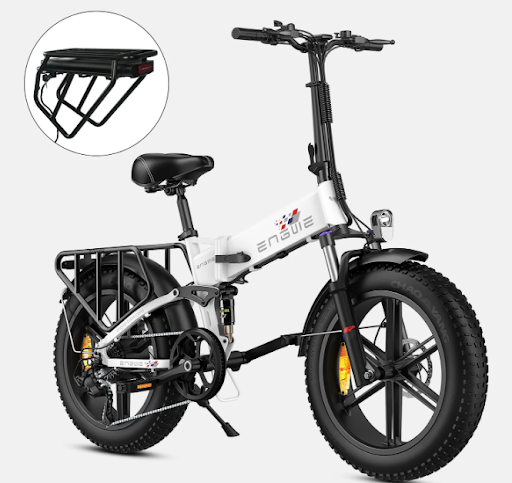
Electric bikes have become one of the most popular transportation options for commuters, fitness enthusiasts, and adventure seekers alike. They offer an eco-friendly, cost-effective, and enjoyable way to travel while reducing the physical effort required for cycling. However, with so many models available, selecting the right electric bike can feel overwhelming.
The best choice depends on your lifestyle, daily travel needs, and riding preferences. Whether you’re looking for a bike to commute through busy cities or enjoy weekend adventures, this guide will help you choose the perfect model. If portability and convenience are your priorities, a folding electric bike could be the ideal solution.
Understand Your Riding Purpose
The first step in choosing an electric bike is identifying how you plan to use it.
Ask yourself these questions:
- Will you use it for daily commuting?
- Do you enjoy weekend leisure rides?
- Will you ride on city streets or rough trails?
- Do you need to carry the bike on public transport?
- How far do you typically travel each day?
Your answers will narrow down the type of electric bike that best fits your lifestyle.
Consider Your Daily Commute
For people who commute to work or school every day, comfort and efficiency are essential.
If your commute includes trains, buses, or limited parking, a folding electric bike offers exceptional convenience. Its compact design allows you to fold it within seconds and store it easily in offices, apartments, or car boots.
For longer rides without the need for portability, a standard commuter electric bike may also be a suitable option.
Evaluate Battery Range
Battery capacity is one of the most important factors when purchasing an electric bike.
Choose a battery based on your average daily travel distance.
Consider:
- Total commuting distance
- Charging availability
- Frequency of long rides
- Terrain and weather conditions
Modern electric bikes often provide enough range for multiple commuting days on a single charge, making them practical for everyday use.
Choose the Right Motor
The motor determines how much assistance you’ll receive while riding.
A reliable motor can make climbing hills easier, reduce fatigue, and improve overall riding comfort.
When comparing bikes, look for smooth and consistent power delivery rather than simply focusing on higher motor output.
Think About Storage Space
Storage is often overlooked until after purchasing an electric bike.
If you live in a flat or have limited indoor storage, a folding electric bike offers a major advantage. Once folded, it takes up significantly less space than a traditional bicycle.
It can easily fit:
- Under a desk
- Inside a cupboard
- In apartment hallways
- In the boot of a car
This makes it particularly attractive for urban riders.
Prioritize Comfort
Comfort becomes increasingly important if you ride regularly.
Look for features such as:
- Adjustable handlebars
- Ergonomic saddle
- Front suspension
- Wide tires
- Comfortable riding position
These features reduce strain during longer rides and improve your overall cycling experience.
Consider the Terrain
Different electric bikes perform better in different environments.
City Riding
Urban commuters benefit from lightweight bikes with comfortable seating and reliable braking systems.
A folding electric bike is especially useful in busy cities where storage and portability matter.
Rural Roads
If your route includes country roads or uneven surfaces, consider bikes with larger tires and suspension for added comfort.
Hills
If you regularly encounter steep hills, choose an electric bike with a powerful motor and sufficient battery capacity to maintain performance throughout your ride.
Safety Features Matter
Safety should always be part of your buying decision.
Look for bikes equipped with:
- Hydraulic or mechanical disc brakes
- Bright front and rear LED lights
- Reflective tires
- Strong frame construction
- Reliable suspension
- Quality tires with good grip
These features improve rider confidence in different weather and road conditions.
Think About Maintenance
Electric bikes require regular maintenance to remain safe and efficient.
Basic maintenance includes:
- Charging the battery properly
- Keeping the bike clean
- Checking tire pressure
- Inspecting brakes
- Lubricating the chain
- Tightening loose components
A well-maintained bike delivers better performance and lasts much longer.
Budget Wisely
Electric bikes are available across a wide price range.
Rather than choosing the cheapest option, focus on long-term value.
A quality electric bike often offers:
- Better battery life
- More reliable components
- Improved comfort
- Lower maintenance costs
- Greater durability
Think of your purchase as an investment in reliable daily transportation.
Why a Folding Electric Bike Is a Smart Choice
For many riders, a folding electric bike provides the perfect balance of convenience and performance.
Its advantages include:
- Easy storage
- Excellent portability
- Suitable for apartments
- Ideal for mixed-mode commuting
- Convenient transportation in cars and public transport
- Practical for everyday urban living
Modern folding models are designed to deliver impressive performance without sacrificing comfort or reliability.
Making the Final Decision
Choosing the right electric bike depends on your personal lifestyle rather than simply selecting the most expensive model.
Consider your:
- Daily travel distance
- Storage space
- Riding environment
- Comfort preferences
- Budget
- Transportation needs
By carefully evaluating these factors, you’ll find a bike that supports your daily routine while making every ride more enjoyable.
Final Thoughts
An electric bike is more than just a mode of transportation—it’s an investment in convenience, sustainability, and healthier living. Whether you’re commuting to work, exploring the countryside, or simply replacing short car journeys, the right bike can transform your travel experience.
If portability, easy storage, and city commuting are important to you, a folding electric bike is one of the best choices available in 2026. With its compact design, dependable performance, and everyday practicality, it offers an ideal solution for riders seeking flexibility without compromising comfort. By selecting the model that best suits your lifestyle, you’ll enjoy efficient, enjoyable, and environmentally friendly travel for years to come.

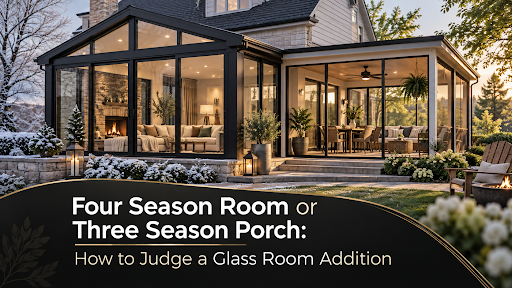
The difference between a glass room you sit in during February and one you shut up in November is not the furniture or the view. It is the envelope: the frame, the glazing, the seals and the way water is drained away. Two rooms can look identical in a photograph and behave completely differently once the temperature drops below freezing.
A three season porch is built to extend spring and autumn. It keeps out rain and insects and it shades the sun. It is not built to hold a steady indoor temperature through winter, and a heater does not fix that if the shell loses warmth as fast as the heater supplies it. A four season room is designed as conditioned living space from the start, which changes the frame and the glass long before anyone picks a floor finish.
The confusion is understandable, because the vocabulary is used loosely. A homeowner comparing quotes for a sunroom NJ project will see the same word applied to a screened porch with glass panels and to a fully engineered room. Northeastern specialists such as Vision Art Aluminium build in thermally broken aluminum with insulated glazing because the winter climate punishes anything less.
What actually decides winter performance
The frame
Aluminum conducts heat readily, which is why the term to look for is thermally broken. Inner and outer aluminum sections are separated by a low conductivity polymer barrier, so heat has no continuous metal path from the warm room to the cold air outside. Without that break the frame drains warmth, and the interior metal runs cold enough to collect condensation. With it, aluminum keeps its real advantage: slim sightlines and a lot of glass carried by very little frame.
The glazing
Glass is most of the surface area, so it does most of the work. Insulated double glazing with a low emissivity coating reflects heat back toward the side it came from, indoor warmth in winter and solar gain in summer. Tempered panes matter for safety where large sheets sit at body height. Ask what fills the cavity between panes and what the spacer at the edge is made of, since the perimeter of a sealed unit is where condensation usually appears first.
Sealing and drainage
Water is the failure that shows up years later rather than on handover day. Every joint where glass meets frame and frame meets the house has to be sealed, and a sound design assumes some water gets past the seal anyway. Good systems drain it back out through deliberate channels instead of trapping it against timber or fasteners. None of this shows in a photograph, and it still decides whether the room is dry in ten years.
Heating cooling and ventilation
A strong envelope reduces the conditioning load, it does not remove it. Extending the existing system, adding a mini split or running radiant heat under the floor are all reasonable routes. Summer matters just as much: a south facing sunroom with no shading, no opening vents and no cooling is unusable in July even if it is comfortable in January.
Who it suits and who should skip it
The spend makes sense when the room is genuinely absorbed into the house: a kitchen that gains a dining end, a dark family room that gains daylight, a home office that is separate but still connected. It also makes sense where a conventional framed addition would cost more or block light from the rooms behind it.
It is the wrong choice in three cases. If the space will be used a handful of weekends a year, a three season porch does the same job for less. If the budget only reaches four season fittings on a three season shell, you get the running costs of glass without the comfort. If the real goal is shade over an existing patio, a louvered or retractable pergola solves that more cheaply.
Trade offs that rarely come up in the first meeting
Even a well built four season sunroom is still a room made mostly of glass. Conditioning it costs more per square foot than conditioning an interior room. Direct sun fades textiles and timber floors, so shading or a solar control glass specification belongs in the budget rather than in a later shopping trip. Privacy is lower, and seals and drainage channels need occasional attention. A heated enclosed addition is usually a permitted structure, which affects the timeline and the paperwork at resale.
Mistakes people make
- Reusing an existing patio slab without checking whether it is level, insulated and suitable for a heated room.
- Treating the roof as a lesser element. A good wall assembly under a poorly insulated roof still loses heat upward.
- Buying on glass area alone. More glass in a weak frame performs worse than moderate glass in a strong one.
- Leaving ventilation out. Opening panels control both summer heat and everyday humidity.
- Choosing the heating after construction, once the easy routes for pipes and lines are sealed inside a finished wall.
How to read a proposal
Most quotes look alike until you ask specific questions.
| Ask this | A four season answer | A warning sign |
| Is the framing thermally broken including the roof | Yes and the break runs through every profile | An answer about heavy gauge metal |
| What is the glass build up | Insulated double glazed units with a named coating and tempered panes where required | Energy efficient glass with nothing specified |
| How does water leave the roof and sills | A drainage path with weep channels and gutters | Sealant as the only defense |
If the answers stay vague on frame, glass and drainage, the room is a three season porch wearing a four season price, whatever the invoice calls it. If they are specific, the decision returns to where it belongs: whether you will really use that space in winter, and what the comfort is worth to you.


Using AI for a single task is different from building a workflow around it. A prompt may produce a report or summary, but a workflow can collect the input, process it, send information between tools, trigger the next action, and repeat the process when new data arrives.
That progression introduces several new skills. Professionals need to understand prompt design, RAG, triggers and actions, tool connections, agent instructions, orchestration, evaluation, and the points where human review should remain part of the process.
The five US-focused programs below approach those skills from different directions, including no-code automation, business-oriented agents, Python-based orchestration, and enterprise workflow design.
5 AI Programs for Building Intelligent Workflows
| # | Program | Fees | Eligibility | Duration | Credentials |
| 1 | No-Code Generative AI and Agentic AI – Johns Hopkins University | $2,950 | No programming background required; designed for working professionals | 12 weeks | Certificate of Completion + 9 CEUs |
| 2 | Certificate in Agentic AI Solutions for Managers – Georgetown University | $2,995 | Bachelor’s degree or equivalent | 6 weeks | Georgetown Certificate + 3.2 CEUs |
| 3 | AI-Native Professional: Workflows and Agents for Productivity – Great Learning | $600 | No coding or technical prerequisites | 6 weeks | Professional Certificate |
| 4 | AI Agents and Agentic AI in Python: Powered by Generative AI – Vanderbilt University | $59/month through Coursera Plus | Beginner level; Python is used for hands-on development | 4 weeks | Vanderbilt University Career Certificate |
| 5 | Applied Agentic AI for Organizational Transformation – MIT Professional Education | $3,250 | No prior AI or programming experience required | 8 weeks | 7 CEUs from MIT Professional Education |
1. No-Code Generative AI and Agentic AI – Johns Hopkins University
This generative ai course online starts with NLP, LLMs, and prompt engineering before moving into RAG, no-code automation, AI agents, memory, tool use, and workflow orchestration. The learning path is designed for professionals who want to build with AI without first learning programming.
Program Highlights: Prompt engineering, Generative AI, RAG, Agentic AI, n8n, ChatGPT, NotebookLM, Gemini, OpenAI API, Responsible AI, 2 projects, and 9+ case studies.
Duration: Online, 12 weeks, with approximately 8 to 10 hours of weekly study.
Outcomes: Learners build no-code AI workflows, connect AI with business data, understand how agents reason and use tools, and apply automation to practical business scenarios.
Why to Choose this Course?
- It progresses from prompting into workflow automation and agents, giving nontechnical professionals a structured route beyond basic GenAI use.
- RAG and orchestration are included alongside no-code tools, helping learners create systems that work with business information rather than isolated prompts.
2. Certificate in Agentic AI Solutions for Managers – Georgetown University
Georgetown approaches agents from the perspective of professionals responsible for business processes and AI adoption. Learners study how autonomous systems combine LLMs, data, tools, and decision logic to perform work with limited human intervention.
Program Highlights: Agent architecture, LLMs, vector databases, autonomous decision-making, workflow optimization, vendor-independent design, governance, ethics, and enterprise use cases.
Duration: Online, 6 weeks, with weekly live sessions and 32 contact hours.
Outcomes: Participants learn to design agent-based solutions, identify suitable workflows, evaluate business value, and consider governance when AI begins acting on behalf of an organization.
Why to Choose this Course?
- The program is designed for managers and innovation leads and doesn’t require a developer-first background.
- Vendor-independent blueprints help learners focus on system design, instead of becoming dependent on one agent platform.
3. AI-Native Professional: Workflows and Agents for Productivity – Great Learning
This ai automation course takes learners from individual AI usage into connected workplace systems. Each week adds another layer, starting with reliable prompting and knowledge bases before moving into tool chaining, trigger-based automation, AI agents, and a working capstone.
Program Highlights: ChatGPT, Claude, Gemini, Perplexity, NotebookLM, Activepieces, Google Workspace, Gmail, Google Sheets, AI agents, workflow automation, governance, and weekly projects.
Duration: Live online, 6 weeks, with approximately 3 to 4 hours of weekly commitment.
Outcomes: Learners build prompt libraries, searchable knowledge systems, content workflows, an email triage assistant, AI-powered business workflows, and a functioning multi-step capstone.
Why to Choose this Course?
- The curriculum follows a build-first sequence, so learners create working systems throughout the program rather than waiting for a final project.
- Multi-tool orchestration is central to the course, showing how AI models, research tools, workplace apps, and automation platforms can work together.
4. AI Agents and Agentic AI in Python: Powered by Generative AI – Vanderbilt University
Vanderbilt provides the technical route in this comparison. Instead of relying heavily on ready-made agent frameworks, learners build agent components in Python and examine how loops, tools, memory, coordination, and safety patterns work underneath the workflow.
Program Highlights: Python, agent loops, OpenAI API, tool calling, memory management, multi-agent collaboration, self-prompting, software architecture, safety patterns, and orchestration.
Duration: Self-paced, approximately 4 weeks at 10 hours per week.
Outcomes: Learners build autonomous agents that call tools and APIs, coordinate with other agents, work with unstructured information, and use safety patterns for more predictable execution.
Why to Choose this Course?
- It teaches the mechanics behind orchestration, which suits professionals who want more control than a visual automation platform provides.
- It covers multi-agent coordination and memory directly, making the program useful as workflows become more complex.
5. Applied Agentic AI for Organizational Transformation – MIT Professional Education
MIT Professional Education looks at intelligent workflows at the organizational level. Participants study how Generative and Agentic AI connect with cloud systems, APIs, enterprise tools, governance, and business processes.
Program Highlights: Generative AI, Agentic AI, cloud integration, APIs, enterprise workflows, autonomous systems, governance, compliance, platform evaluation, and hands-on projects.
Duration: Online, 8 weeks.
Outcomes: Participants learn to identify workflows suited to Agentic AI, design agent-based automation, evaluate platforms for value and risk, and create an AI adoption roadmap.
Why to Choose this Course?
- It connects workflow design with enterprise systems, making the material relevant to leaders responsible for broader AI adoption.
- Governance and implementation are studied together, helping participants consider how automated systems should operate beyond a pilot.
Conclusion
Building intelligent workflows usually happens in stages. A professional may begin with better prompts, then connect AI to documents and workplace tools, automate recurring actions, and eventually introduce agents that can coordinate several steps with less manual intervention.
When comparing generative ai courses, consider how far along that progression you want to go. No-code programs can support faster workplace automation, while technical and enterprise-focused options add deeper orchestration, agent architecture, governance, and system integration.

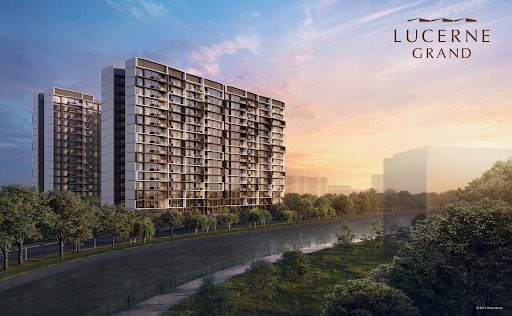
Buying a premium property requires careful evaluation of several critical factors to ensure your investment grows over time. If you are currently looking at high-end real estate, the prestigious Lucerne Grand stands out as a premier residential development offering unparalleled modern living. Securing a unit in such a sought-after development involves more than just selecting a floor plan. You need to analyze the surrounding infrastructure, amenity access, and long-term appreciation potential. This guide highlights the essential elements you must evaluate before making an acquisition in this luxury estate, helping you make an informed decision that aligns with your lifestyle goals and financial portfolio.
Evaluating the Micro-Location and Neighborhood Dynamics
The primary rule of real estate is location, and this holds for luxury developments. When assessing a unit in Lucerne Grand, look closely at the immediate neighborhood dynamics. A premium address should offer a balance of tranquility and connectivity. Evaluate the proximity to major arterial roads, mass transit stations, and daily conveniences like supermarkets and medical centers.
Comparing Regional Access
It is useful to compare how the neighborhood measures up against other high-profile developments in the region. For instance, properties near the Thomson Reserve enjoy a reputation for lush green surroundings and quiet streets, which attracts families seeking a peaceful retreat. Similarly, you should verify if the area surrounding your prospective home offers equivalent green spaces, walking paths, and low noise levels.
Future Urban Planning
Check the local municipal master plan for any upcoming commercial developments or transit expansions. New subway lines or retail hubs nearby can significantly boost property values over the next decade. Conversely, ensure that future construction projects will not block your views or create multi-year noise pollution. Ensuring the micro-location maintains its exclusive appeal will safeguard your capital investment for years to come.
Analyzing Amenities and Community Infrastructure
Modern luxury buyers expect residential developments to function as self-contained sanctuaries. When touring the property, inspect the quality and variety of the shared facilities. A high-end condominium should feature a lap pool, a fully equipped gymnasium, secure parking, and dedicated co-working spaces.
Comparing Lifestyle Standards
To gauge the value of these facilities, compare them with established benchmarks in the luxury segment. The wellness facilities at Thomson Reserve set a high standard with their hydrotherapy pools and private spa treatment rooms. Buyers looking at this development should expect a similar caliber of recreational spaces. Look for unique features like sky terraces, private dining rooms for hosting guests, and landscaped gardens that offer a respite from the urban hustle.
Maintenance and Management
High-quality amenities are only as good as their upkeep. Ask about the managing agent and review the historical maintenance fund records if available. A well-managed building preserves its aesthetic appeal and structural integrity, preventing costly special assessments in the future. Ensure the monthly maintenance fees are reasonable and clearly allocated toward preserving these premium shared spaces.
Unit Layouts, Orientation, and Interior Finishes
The specific layout of your individual unit dictates your daily comfort and the property’s eventual resale value. Avoid units with wasted corridor space or odd-angled walls that make furniture placement difficult. Instead, prioritize open-plan living areas that maximize usable square footage and promote natural light.
Sun Orientation and Ventilation
Pay close attention to the unit’s orientation. In tropical or warm climates, north-south facing units are highly desirable because they avoid the intense afternoon sun while welcoming natural cross-ventilation. This orientation keeps the apartment cooler and reduces your monthly utility bills. If the unit faces east or west, check if the developer installed double-glazed windows or external sunshades to mitigate heat gain.
Material Quality and Smart Home Integration
Examine the quality of the built-in fittings, kitchen appliances, and bathroom sanitary ware. Premium properties should feature natural stone countertops, engineered hardwood flooring, and high-end European appliances. Additionally, look for integrated smart home systems that allow you to control lighting, climate, and security via your smartphone. These modern integrations are no longer just luxury add-ons; they are standard expectations for contemporary buyers looking to secure a future-proof residence.
Developer Track Record and Financial Viability
A property purchase is a major financial commitment, making the developer’s reputation a critical factor in your decision-making process. Established developers with a history of successful projects are more likely to deliver high-quality construction on schedule.
Investigating Past Projects
Research the builder’s portfolio to assess their reliability. Developers associated with premier estates like Lucerne Grand typically have a track record of award-winning designs and structural excellence. You can visit their completed projects to see how well the buildings have aged. Look for signs of premature wear, such as cracked facades or poorly maintained common areas, which can indicate subpar construction methods or cheap materials.
Financial Stability and Legal Protections
Ensure the developer possesses strong financial backing to avoid project delays or halts in construction. Reviewing the developer’s financial reports or industry ratings provides peace of mind. Furthermore, verify that the property has clear land titles and all necessary municipal approvals. Working with reputable financial institutions for your mortgage can also provide an extra layer of security, as banks perform their own due diligence on the developer before approving home loans for the building.
Final Thoughts

Acquiring a luxury property requires a systematic approach that balances lifestyle desires with sound financial analysis. By carefully evaluating the micro-location, comparing amenity standards with benchmarks like the Thomson Reserve, and thoroughly inspecting unit layouts, you can secure a home that offers both comfort and capital growth. This prestigious development presents a remarkable opportunity for discerning buyers, provided you conduct diligent research into the developer’s track record and the building’s long-term maintenance plans. Taking the time to analyze these critical factors ensures your real estate investment remains a source of pride and financial security for many years to come.

Four Season Room or Three Season Porch: How to Judge a Glass Room Addition

Prompt, Automate and Orchestrate: 5 AI Programs for Building Intelligent Workflows

Can a Tooth Heal Itself? The Surprising Truth About Root Canal Treatment

Who Is Shameera? All You Need To Know About Charli XCX’s Mother

Who Is Gulliver Flynn Oldman? The Untold Story of Sir Gary Oldman’s Son

Meet Rosemary Turner: The Mother of Actor Callum Turner
-
Biographies7 months ago
Who Is Shameera? All You Need To Know About Charli XCX’s Mother
-
Biographies7 months ago
Who Is Gulliver Flynn Oldman? The Untold Story of Sir Gary Oldman’s Son
-
Biographies8 months ago
Meet Rosemary Turner: The Mother of Actor Callum Turner
-

 Biographies6 months ago
Who is Alexandra James? Inside The Life of Jeremy Clarkson’s Former Partner
-
 Biographies7 months ago
Who is Todd McRae? Meet Tate McRae’s Father
-
 Biographies7 months ago
Who Is Daniel Mara? The Untold Story of Kate Mara’s Private Sibling
-
 Celebrity8 months ago
Who Is Peter Hernandez? The Real Story of Bruno Mars’ Father
-
 Biographies7 months ago
Who Is Alvin Martin? All About the Whoopi Goldberg’s First Husband