
Blog
White Widow and Skunk Weed: Why These Classic Cannabis Genetics Remain Popular Today


The cannabis industry has witnessed an explosion of new genetics over the past decade, but some strains continue to stand the test of time. Among the most recognised names in cannabis history are White Widow and Skunk weed, two legendary varieties that have played a significant role in shaping modern cannabis breeding. While hundreds of new hybrids enter the market each year, these classics remain popular among cultivators who value proven genetics, reliability, and a rich cultivation heritage.
The Legacy of White Widow
Few strains have achieved the global recognition of White Widow. Originally introduced during the 1990s, this iconic variety quickly became a favourite among growers and breeders thanks to its impressive resin production and balanced growth characteristics.
One of the defining features of White Widow is its dense coating of trichomes, which gives the flowers their distinctive frosted appearance. This visual appeal helped establish the strain’s reputation and contributed to its widespread popularity throughout Europe and beyond.
From a cultivation perspective, White Widow has earned respect for its consistency. Growers often appreciate its manageable structure, strong resilience, and ability to perform well in a variety of growing environments. These qualities have made it a trusted choice for both experienced cultivators and those looking to explore classic cannabis genetics.
Understanding the Impact of Skunk Weed
Alongside White Widow, Skunk weed stands as one of the most influential genetic families in cannabis history. Developed through careful breeding programmes, Skunk genetics introduced a level of stability and vigour that transformed modern cultivation practices.
The success of Skunk weed can largely be attributed to its adaptability. These genetics became widely known for producing strong, healthy plants capable of thriving in diverse environments. As a result, breeders around the world incorporated Skunk genetics into countless hybrid projects, helping to create many of the popular strains available today.
The influence of Skunk weed extends far beyond a single strain. Instead, it represents an entire genetic foundation that has contributed to the development of modern cannabis breeding.
Why Growers Still Choose These Classics
In a marketplace filled with innovative hybrids and experimental genetics, many cultivators continue to return to White Widow and Skunk weed. Their longevity is not based solely on reputation; it is supported by decades of proven performance.
Some of the reasons growers continue to favour these genetics include:
- Reliable cultivation characteristics
- Stable and well-established lineages
- Strong breeding potential
- Consistent plant development
- Historical significance within cannabis culture
For growers seeking dependable results, established genetics often provide a level of predictability that newer strains may not yet offer.
White Widow vs Skunk Weed
Although both genetics are considered cannabis legends, they possess unique characteristics that appeal to different cultivation preferences.
White Widow
White Widow is often associated with:
- Heavy trichome production
- Dense flower formation
- Balanced genetic heritage
- Strong visual appeal
- Popularity among resin-focused growers
Skunk Weed
Skunk weed is commonly recognised for:
- Vigorous plant growth
- Genetic stability
- Strong adaptability
- Excellent breeding qualities
- Lasting influence on modern hybrids
Rather than viewing them as competitors, many cultivators see White Widow and Skunk weed as complementary examples of the diversity found within cannabis genetics.
The Role of These Genetics in Modern Breeding
Many contemporary cannabis varieties owe part of their success to White Widow or Skunk ancestry. Breeders frequently utilise these genetics to introduce desirable traits such as resilience, vigour, consistency, and improved plant structure.
As breeding techniques continue to evolve, the foundational qualities found in these classic strains remain highly valuable. Their influence can be seen in everything from modern feminised varieties to advanced autoflowering projects.
Choosing Quality Cannabis Genetics
Whether selecting White Widow, Skunk weed, or any other variety, growers should prioritise genetic quality. Choosing seeds from reputable breeders can help ensure greater consistency, healthier plants, and improved cultivation outcomes.
Key considerations include:
- Genetic stability
- Breeder reputation
- Growing environment compatibility
- Flowering time
- Desired plant characteristics
By taking the time to research available options, cultivators can identify genetics that align with their goals and growing conditions.
Final Thoughts
The cannabis world continues to innovate, yet the enduring popularity of White Widow and Skunk weed demonstrates the value of exceptional genetics. These varieties have influenced generations of breeders, shaped countless hybrid projects, and earned their place among the most respected names in cannabis cultivation.
For growers interested in exploring proven cannabis genetics, White Widow and Skunk weed remain outstanding examples of why classic strains continue to thrive in an ever-changing industry. Their legacy, reliability, and ongoing relevance ensure they will remain important pillars of cannabis breeding for years to come.


What role do antioxidants actually play in your daily health and longevity? This question has sparked considerable interest in nutrition science and wellness circles, yet many people remain uncertain about whether antioxidants deserve the prominent place they occupy in health conversations. Understanding what antioxidants are, how they function in your body, and which sources provide genuine benefits can help you make informed decisions about your diet and lifestyle without falling prey to exaggeration or marketing hype.
What Antioxidants Are and How They Work
Antioxidants are molecules found naturally in many foods that help protect your cells from oxidative stress. Your body produces free radicals as a byproduct of normal metabolism, and exposure to environmental factors like pollution and UV radiation can increase their levels further. Free radicals are unstable atoms that can damage cellular structures, proteins, and DNA when they accumulate in excess. Antioxidants stabilize these free radicals by donating electrons, thereby neutralizing them before they cause harm. Common antioxidants include vitamins C and E, beta-carotene, selenium, and various plant compounds called polyphenols. While your body has its own built-in antioxidant defense systems, consuming foods rich in dietary antioxidants may provide additional protection.
Common Sources of Antioxidants in Food
Antioxidants are plentiful in many everyday foods, particularly in fruits, vegetables, nuts, and beverages. Berries such as blueberries, blackberries, and raspberries are especially rich in anthocyanins and other beneficial compounds. Dark leafy greens like spinach and kale contain lutein and zeaxanthin, while orange and red vegetables such as carrots and sweet potatoes provide beta-carotene. Nuts and seeds offer vitamin E and selenium, and whole grains contribute various polyphenols and minerals. Beverages including green tea, coffee, and even red wine contain significant amounts of antioxidants when consumed as part of a balanced diet. These beneficial compounds are widely available through ordinary grocery store items, with no need for expensive supplements or specialty products to access them.
Antioxidants and Cellular Health
The relationship between antioxidants and cellular health centers on oxidative stress, a condition where free radical production exceeds your body’s capacity to manage it. Chronic oxidative stress has been associated with accelerated aging and may contribute to various health conditions. Antioxidants theoretically help maintain cellular balance by reducing excess free radicals and supporting your body’s natural repair mechanisms. Among the body’s primary endogenous compounds involved in this process, glutathione plays a central role in sustaining cellular protection from within during periods of elevated oxidative stress.
Laboratory studies have demonstrated that certain antioxidants can protect cells from damage under controlled conditions. However, the connection between consuming antioxidant-rich foods and observable health improvements in living people is more complex than early research suggested. Your body’s own antioxidant systems, combined with factors like sleep quality, physical activity, and stress management, work together to influence overall cellular health. These intersecting variables make it difficult to attribute measurable outcomes to any single compound in isolation.
Realistic Expectations for Dietary Antioxidants
While antioxidants deserve attention as part of a healthy diet, maintaining realistic expectations about their role in wellness is essential. No single food or supplement can prevent disease or reverse aging, despite marketing claims suggesting otherwise. Research shows that eating a varied diet rich in colorful fruits, vegetables, and whole grains provides measurable health benefits, though these benefits result from the combined effect of numerous nutrients working together rather than antioxidants alone. Supplements containing isolated antioxidants have produced mixed results in clinical trials and may not deliver the same benefits as antioxidants consumed through whole foods. Focusing on dietary diversity and consistency yields more reliable wellness outcomes than pursuing any single nutrient.
Building Antioxidant-Rich Habits Into Daily Life
Incorporating more antioxidant-rich foods into your routine requires minimal effort once you establish practical strategies. Rather than overhauling your entire diet at once, consider adding one colorful fruit or vegetable to meals you already enjoy, such as adding berries to breakfast or spinach to soups. Choosing whole grain versions of bread and pasta automatically increases your antioxidant intake while improving fiber content. Swapping sugary drinks for herbal tea or coffee provides antioxidants without added calories. Shopping at farmers markets or selecting produce that is in season helps ensure you get fresh options while making budgeting easier. These incremental changes accumulate over time and become sustainable habits rather than temporary restrictive measures that many people abandon after a few weeks.
Conclusion
Antioxidants represent a legitimate and important component of nutritional science, but they function best as part of a comprehensive approach to wellness rather than as a standalone solution. The evidence supports consuming antioxidant-rich foods through diverse fruits, vegetables, nuts, and whole grains as part of your everyday diet. Rather than focusing narrowly on specific antioxidant types or seeking expensive supplements, building consistent eating patterns that naturally include colorful, minimally processed foods is a more practical strategy. Combining dietary improvements with adequate sleep, regular movement, stress management, and other wellness practices addresses multiple dimensions of health simultaneously. By understanding what antioxidants can and cannot do, you can make evidence-based choices that support long-term wellbeing without unrealistic expectations or unnecessary spending.


Have you ever noticed your knee starting to ache just before a rainstorm rolls in? You’re not alone. For generations, people have claimed they can predict changes in the weather based on aches and pains in their joints.
While a sore knee might not replace your local weather forecast, there is some scientific reasoning behind why certain weather conditions can make joint discomfort more noticeable. Understanding the connection between weather and knee pain can help you recognize patterns, manage discomfort, and stay comfortable throughout the year.
Why Your Knee Might React to Changing Weather
If your knee seems to know when a storm is approaching, changes in barometric pressure could be part of the explanation. Barometric pressure is the weight of the atmosphere pressing against the Earth’s surface. It naturally fluctuates as weather systems move through an area.
When atmospheric pressure drops ahead of a storm, some researchers believe tissues surrounding the joints may expand slightly. This could place additional pressure on sensitive areas, making existing discomfort more noticeable. People with arthritis or a history of knee injuries may be particularly likely to notice these changes.
Wearing supportive products from brands like Copper Fit may also help you feel more comfortable as you go about your daily activities, especially when changing weather makes your knees feel less cooperative.
Temperature can play a role, too. Colder conditions may cause muscles and surrounding tissues to feel tighter, potentially contributing to stiffness and reduced flexibility. While weather doesn’t necessarily cause joint problems, it may influence how existing symptoms feel.
Does Science Support Weather-Related Knee Pain?
The relationship between weather and joint discomfort has been studied for years, although the findings aren’t entirely consistent. Some research suggests that people with osteoarthritis experience changes in pain levels alongside fluctuations in temperature, humidity, and atmospheric pressure.
However, not everyone experiences the same effects. Some individuals report increased discomfort before rainy weather, while others notice symptoms during particularly cold or humid days. Still others don’t recognize any connection between their joint health and the forecast.
One reason the relationship can be difficult to measure is that pain is highly individual. Factors such as activity levels, inflammation, previous injuries, sleep quality, and overall health can influence how someone’s knee feels on a given day.
While your achy knee might offer a clue about changing weather, it isn’t a scientifically reliable forecasting tool.
Why Can Cold Weather Make Knee Discomfort More Noticeable?
Winter often brings a noticeable change in how people experience joint stiffness. Lower temperatures can make muscles feel less flexible, while spending more time indoors may reduce opportunities for regular movement.
When you’re less active, the muscles supporting your knees may become weaker over time. This can place additional demands on the joint during everyday activities, including climbing stairs, walking, or standing for extended periods.
Cold weather can also make people less inclined to exercise, creating a cycle in which reduced movement contributes to stiffness. Maintaining a consistent winter activity routine is one way to help support comfortable movement throughout the colder months.
Gentle stretching, walking, and low-impact activities such as swimming can help keep your joints moving without placing excessive stress on your knees.
Simple Ways To Support Your Knees in Any Weather
Although you can’t control atmospheric pressure or prevent a cold front from arriving, you can take practical steps to support your knees.
Staying active is a good starting point. Strengthening the muscles around your knees, particularly your quadriceps and hamstrings, can provide better joint support. Choose activities that match your fitness level, and increase intensity gradually.
Keeping your body warm may also help when temperatures drop. Comfortable clothing, warm showers, and gentle movement can make it easier to manage feelings of stiffness.
Maintaining a healthy weight is another important consideration. Carrying excess weight can increase the load placed on your knee joints, potentially contributing to discomfort over time.
Finally, pay attention to your body’s signals. If certain activities or weather conditions consistently seem to aggravate your symptoms, keeping a simple journal can help you identify patterns and discuss them with a healthcare professional.
When Should You See a Doctor About Knee Pain?
Occasional stiffness or mild discomfort doesn’t always indicate a serious problem. However, persistent or worsening knee pain deserves attention, particularly if it interferes with your daily activities.
Seek medical advice if your knee frequently swells, feels unstable, locks, or becomes difficult to bend or straighten. Sudden severe pain, significant swelling, an inability to bear weight, or a visibly deformed knee may require prompt medical evaluation.
A healthcare professional can help determine whether your discomfort is related to arthritis, an old injury, inflammation, or another underlying issue. Getting an accurate diagnosis can also help you find an appropriate treatment and management plan.
Keep Checking the Forecast
An achy knee might occasionally seem more perceptive than your local meteorologist, especially when a storm is approaching. Changes in temperature and atmospheric pressure may influence joint discomfort, although the connection varies from person to person.
Rather than relying on your knee to predict tomorrow’s rain, use those occasional aches as a reminder to pay attention to your joint health. Staying active, supporting your muscles, and recognizing persistent symptoms can help you maintain comfortable movement regardless of what the weather has in store.
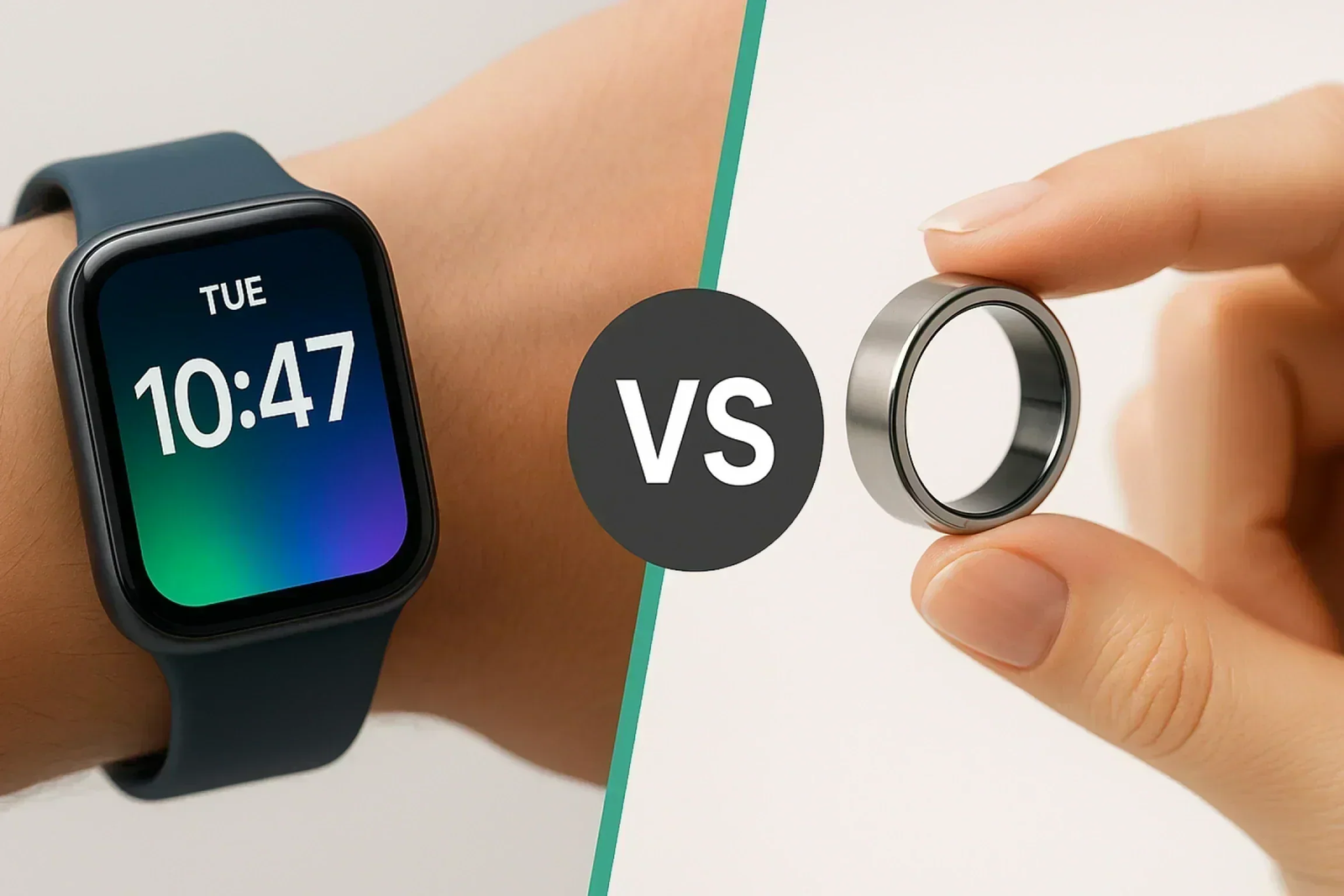
Wearable technology has made it easier to monitor daily activity, sleep, and different aspects of personal wellness. Smartwatches have been popular for years, offering fitness tracking, smartphone notifications, and convenient access to apps. However, smart rings have introduced another option for people who prefer smaller devices with a more discreet design.
When comparing a smart watch vs smart ring, the biggest difference is how each device fits into everyday life. A smartwatch offers a screen, notifications, and multiple interactive features, while a smart ring focuses more on background health and activity tracking.
Both devices can be useful, but choosing between them depends on personal preferences, daily routines, and the features that matter most.
For people considering a smart ring, finding the best smart ring means looking beyond appearance. Battery life, comfort, tracking features, app experience, and subscription costs all deserve attention.
This guide compares both wearable devices and explores what to consider before making a purchase.
What Is a Smartwatch?
A smartwatch is a wearable electronic device designed to provide smartphone-related functions and activity tracking directly from the wrist.
Most modern smartwatches include a digital display, sensors, wireless connectivity, and a companion mobile application. Depending on the model, users can access features such as:
- Heart rate monitoring
- Daily step counting
- Workout and exercise tracking
- Sleep monitoring
- Smartphone notifications
- Calls and messages
- Music controls
- GPS-based activity tracking
- Third-party applications
One of the biggest advantages of a smartwatch is its interactive display. Users can check information, respond to supported notifications, and access different functions without taking out their phones.
However, smartwatches are generally larger than smart rings. Their battery life also varies considerably depending on the model, display settings, and feature usage.
What Is a Smart Ring?
A smart ring is a compact wearable device that contains sensors designed to monitor selected health and activity measurements.
It is worn around a finger and usually connects to a smartphone application through Bluetooth. Unlike a smartwatch, most smart rings do not include a screen.
Depending on the model, a smart ring may track:
- Heart rate
- Heart rate variability (HRV)
- Blood oxygen levels
- Skin temperature trends
- Respiratory rate
- Sleep duration and estimated sleep stages
- Daily steps
- Estimated calorie expenditure
- General activity and wellness patterns
The information is collected in the background and displayed through a companion application.
Smart rings are particularly appealing to people who prefer discreet technology and want to monitor everyday wellness without wearing another screen.
Smart Watch vs Smart Ring: Main Differences
Although both devices belong to the wearable technology category, their features and everyday experiences are different.
| Feature | Smartwatch | Smart Ring |
| Design | Larger wrist-worn device | Small finger-worn device |
| Display | Usually includes a screen | Usually screen-free |
| Health tracking | Available on most modern models | Available on many models |
| Activity tracking | Often includes dedicated workout modes | Usually focuses on daily activity and wellness |
| Notifications | Supports calls, messages, and alerts on many models | Generally limited |
| GPS | Available on selected models | Usually relies on connected phone or other data |
| Sleep tracking | Available on many models | Often designed for overnight wear |
| Battery life | Varies by model and usage | Often several days |
| Smartphone interaction | Directly through the watch | Primarily through the mobile app |
| Subscription costs | Depend on brand and services | Depend on brand and services |
The table shows that neither device is automatically better. A smartwatch is generally more suitable for interactive features, while a smart ring is designed around compactness and background tracking.
Advantages of a Smartwatch
Smartwatches remain popular because they combine several functions in one wrist-worn device.
1. Convenient Smartphone Notifications
One of the main benefits of a smartwatch is the ability to receive notifications directly on the wrist.
Depending on the model and connected phone, users can check incoming calls, messages, calendar reminders, and application notifications.
This can be useful for people who frequently need to stay connected while working, exercising, or travelling.
2. Workout and Sports Features
Many smartwatches offer dedicated workout modes for activities such as running, cycling, swimming, and strength training.
Some models also include built-in GPS, allowing users to record outdoor routes without carrying a smartphone.
For people who want detailed workout information, these features can make a smartwatch a practical choice.
3. Interactive Display
A smartwatch provides information through its screen, making it easy to view measurements and interact with different applications.
Users can check the time, review activity summaries, control music, and access supported apps.
This is an important advantage for people who enjoy having technology available directly on their wrist.
4. Multiple Everyday Functions
Depending on the device, smartwatches can also support contactless payments, navigation, voice assistants, alarms, and other useful functions.
These additional features make them more than fitness trackers.
However, the number of functions can also mean more notifications and screen interactions throughout the day.
Advantages of a Smart Ring
Smart rings offer a different approach to wearable technology. Instead of focusing on screen-based interaction, they are designed to collect information in a smaller format.
1. Compact and Discreet Design
A smart ring is considerably smaller than most smartwatches.
It looks similar to traditional jewelry and does not have a large screen attached to the wrist. This makes it appealing to people who prefer a simple appearance.
2. Convenient Overnight Tracking
Sleep monitoring is an important feature of many smart rings.
Because they are generally lightweight and designed for continuous wear, smart rings can be convenient for collecting overnight measurements.
Depending on the model, these measurements may include sleep duration, estimated sleep stages, heart rate, and other wellness-related information.
3. Longer Battery Life on Some Models
Many smart rings offer several days of battery life on a single charge.
This can reduce charging interruptions and make continuous tracking more convenient.
However, battery performance varies between devices and depends on features, settings, and usage.
4. Less Screen Distraction
Most smart rings do not display notifications or messages directly.
This can be an advantage for people who want to monitor activity and wellness without receiving constant digital interruptions.
Users can review their information when they open the companion application.
5. Subscription-Free Options
Some smart ring brands provide access to core tracking features without mandatory monthly membership fees.
This can make long-term ownership more predictable.
However, subscription policies differ between manufacturers, so buyers should check which features are included before purchasing.
Which Is Better for Sleep Tracking?
Sleep tracking is one area where smart rings can be particularly appealing.
Many people prefer not to wear a larger device on their wrist while sleeping. A lightweight ring may feel less noticeable during the night.
Depending on the model, a smart ring can monitor:
- Total sleep duration
- Estimated sleep stages
- Overnight heart rate
- Heart rate variability
- Blood oxygen levels
- Respiratory rate
- Skin temperature trends
A smartwatch can also provide sleep information, but comfort and battery life may influence whether someone wants to wear it overnight.
For people whose main priority is understanding sleep patterns, a smart ring may be a convenient alternative.
Neither device should be treated as a medical sleep assessment tool. Wearable sleep measurements are estimates and cannot replace professional testing.
Which Is Better for Fitness and Exercise?
The answer depends on the type of activity being tracked.
A smartwatch may be more useful for people who regularly participate in structured workouts. Dedicated exercise modes, GPS features, and real-time workout information can provide a more interactive experience.
A smart ring is generally better suited to everyday movement and background wellness monitoring.
For example, someone who wants to review daily steps, heart rate trends, and sleep patterns may find a smart ring sufficient.
People who need detailed sports metrics should compare the specific tracking capabilities of each device before deciding.
Best Smart Ring: Features to Look For
If a smart ring seems more suitable for your lifestyle, the next step is choosing the right model.
The best smart ring should offer a combination of comfort, useful tracking features, dependable battery performance, and a good companion application.
1. Health and Activity Tracking
Start by checking which measurements the ring supports.
Common features include heart rate, HRV, sleep tracking, daily steps, and blood oxygen monitoring.
Some advanced models also provide additional wellness insights, such as skin temperature trends and respiratory information.
Choose a device that supports the measurements you actually want to review.
2. Comfortable Fit
A smart ring needs to fit properly because it is designed to be worn for extended periods.
Consider the weight, thickness, materials, and available sizes.
A dedicated sizing kit can help you find the right fit. Do not assume that the size of a traditional jewelry ring will match a smart ring’s sizing system.
3. Battery Life
Battery life can make a significant difference in the everyday experience.
A ring that lasts several days between charges may be more convenient for people who want consistent overnight tracking.
Check whether additional features, such as vibration alerts or frequent measurements, affect the advertised battery life.
4. Smartphone Compatibility
Before purchasing, confirm that the ring works with your smartphone.
Some smart rings support both iOS and Android but require specific operating system versions.
Also consider whether the companion application offers clear reports, useful summaries, and access to historical measurements.
5. Subscription Requirements
Subscription costs are another important consideration.
Some brands charge recurring fees for advanced reports or certain app features. Others provide their core tracking experience without a mandatory subscription.
Compare the total cost of ownership rather than focusing only on the initial purchase price.
RingConn Gen 3: A Smart Ring Worth Considering
For people searching for the best smart ring, RingConn Gen 3 is an option worth exploring.
It combines a compact design with sleep tracking, activity monitoring, and additional health-related insights. Unlike a smartwatch, it does not include a screen for notifications and applications. Its main purpose is to collect information and present it through the RingConn smartphone app.
Comprehensive Health and Activity Tracking
RingConn Gen 3 supports monitoring of several measurements, including:
- Heart rate
- Heart rate variability (HRV)
- Blood oxygen (SpO₂)
- Respiratory rate
- Skin temperature
- Stress-related trends
- Daily steps
- Estimated calories
- Overnight breathing patterns
- Overnight vascular load trends
During sleep, the ring provides Sleep Breathing Insights, offering information about overnight breathing patterns as part of its general wellness tracking experience.
This information can help users understand their everyday wellness patterns and review changes over time. It is intended for general wellness awareness and should not be considered a medical diagnosis or a substitute for professional assessment.
Sleep Breathing Insights
Sleep-related features are an important part of the RingConn Gen 3 experience.
The ring provides Sleep Breathing Insights, which can help users review their overnight breathing patterns. These features are intended for general wellness awareness and are not designed to diagnose sleep apnea or replace professional medical testing.
Vascular Health Insights
RingConn Gen 3 also includes vascular health insights.
The feature uses nighttime vascular load patterns, optional manual blood pressure inputs, and lifestyle information to present trends related to vascular health.
It does not directly measure blood pressure or provide a medical diagnosis. Anyone who needs a blood pressure reading should use an appropriate blood pressure monitor.
Smart Vibration Alerts
Unlike many earlier smart ring designs, RingConn Gen 3 includes a built-in vibration feedback motor.
It supports selected alerts and reminders, including certain health-related changes, sedentary reminders, and low-battery notifications.
The vibration feature does not provide general phone message notifications or work as a standard wake-up alarm.
Battery Life and Design
Battery life is one of the important differences to consider when comparing a smart ring with a smartwatch.
RingConn Gen 3 offers up to 14 days of advertised battery life, depending on usage.
Its published specifications include:
- Approximately 10–12 days with vibration enabled
- Approximately 11–14 days with vibration disabled
- Weight of approximately 2.5–3.5 grams
- Minimum thickness of approximately 2.3 mm
- Titanium alloy construction
- Medical-grade epoxy and PVD coating
- IP68 and 10ATM water-resistance specifications
- Universal wireless charging case
Actual battery performance depends on settings, ring size, and usage.
No Mandatory Subscription
One of RingConn Gen 3’s notable advantages is that it does not require a mandatory subscription for its core tracking features.
This can make it attractive to people who want access to everyday wellness information without another recurring membership payment.
For buyers comparing smart rings, this is worth considering alongside the device’s features, battery life, and initial cost.
Explore RingConn Gen 3
RingConn Gen 3 may suit people who prefer a screen-free wearable with extended battery life and a range of wellness tracking features.
You can explore its available sizes, finishes, specifications, and features on the official product page:
Explore RingConn Gen 3
Smart Ring vs Smartwatch: Which One Should You Choose?
The right device depends on what you expect from wearable technology.
| Your Main Priority | More Suitable Option |
| Phone notifications and calls | Smartwatch |
| GPS-based outdoor workouts | Smartwatch with GPS |
| Interactive apps and display | Smartwatch |
| Discreet everyday design | Smart ring |
| Overnight comfort | Smart ring may suit you better |
| Background wellness tracking | Smart ring |
| Detailed workout controls | Smartwatch |
| Fewer screen distractions | Smart ring |
A smartwatch is generally the better choice for people who want a digital assistant on their wrist.
A smart ring is often more suitable for people who want convenient tracking without the extra screen and notifications.
Some people may even choose to use both devices if their features complement each other.
Frequently Asked Questions
1. What is the main difference between a smart watch and a smart ring?
A smartwatch is a wrist-worn device with a display, notifications, and interactive features. A smart ring is a smaller, usually screen-free wearable focused on background health and activity tracking.
2. Which is better, a smart ring or smartwatch?
Neither is better for everyone. A smartwatch is more suitable for notifications, apps, GPS, and interactive workout features. A smart ring may be preferable for discreet design, overnight wear, and everyday wellness tracking.
3. What is the best smart ring in 2026?
The best smart ring depends on your priorities, including comfort, battery life, tracking features, and subscription costs. RingConn Gen 3 is worth considering because it offers sleep tracking, activity monitoring, vascular health insights, and no mandatory subscription for its core features.
4. Can a smart ring replace a smartwatch?
A smart ring can replace some smartwatch functions, such as selected activity and health tracking. However, it generally cannot replace a smartwatch’s screen, interactive apps, calls, notifications, and GPS-based features.
5. Is RingConn Gen 3 better than a smartwatch for sleep tracking?
RingConn Gen 3 is designed for continuous wear and offers sleep tracking in a compact format. Whether it is better depends on personal comfort and the specific smartwatch being compared.
6. Does RingConn Gen 3 require a subscription?
No. RingConn Gen 3 does not require a mandatory subscription to access its core features. Users should review current product terms for details about any optional services.
7. How long does RingConn Gen 3 battery last?
RingConn advertises up to 14 days of battery life. Its published estimates are approximately 10–12 days with vibration enabled and 11–14 days with vibration disabled. Actual battery performance varies with usage and settings.
8. Can a smart ring measure blood pressure?
Some smart rings provide wellness insights based on patterns and other inputs, but these should not be confused with direct blood pressure measurements. RingConn Gen 3 provides vascular health insights rather than individual blood pressure readings.
Final Thoughts
The comparison between a smart watch vs smart ring comes down to how people prefer to use wearable technology.
Smartwatches offer interactive displays, notifications, apps, and dedicated workout features. Smart rings provide a smaller alternative focused on discreet activity and wellness tracking.
For people who value comfort, overnight tracking, and fewer screen distractions, a smart ring may be the more suitable choice.
When searching for the best smart ring, compare its tracking features, battery life, sizing options, smartphone compatibility, and subscription requirements. RingConn Gen 3 is one option worth exploring because it combines a lightweight design, extended battery life, and several wellness features without requiring a mandatory subscription for its core experience.
Ultimately, the right wearable is the one that supports your routine and provides information you can actually use.

Antioxidants and Everyday Wellness: A Clear, Evidence-Led Overview

Is Your Achy Knee a Better Forecaster Than the Weatherman?

Smart Watch vs Smart Ring: How to Choose the Best Smart Ring in 2026

Who Is Shameera? All You Need To Know About Charli XCX’s Mother

Who Is Gulliver Flynn Oldman? The Untold Story of Sir Gary Oldman’s Son

AI Video for Social Media: How Small Brands Keep Up Without Burning Out
-
Biographies9 months ago
Who Is Shameera? All You Need To Know About Charli XCX’s Mother
-
Biographies9 months ago
Who Is Gulliver Flynn Oldman? The Untold Story of Sir Gary Oldman’s Son
-
 Blog5 months ago
AI Video for Social Media: How Small Brands Keep Up Without Burning Out
-
 Biographies10 months ago
Meet Rosemary Turner: The Mother of Actor Callum Turner
-

 Biographies8 months ago
Who is Alexandra James? Inside The Life of Jeremy Clarkson’s Former Partner
-
 Biographies9 months ago
Who is Todd McRae? Meet Tate McRae’s Father
-
 Biographies9 months ago
Who Is Daniel Mara? The Untold Story of Kate Mara’s Private Sibling
-
 Celebrity10 months ago
Who Is Peter Hernandez? The Real Story of Bruno Mars’ Father